Direkt zum Hauptinhalt
Suchbegriff eingeben
Suche und Suchergebnis
Service-Navigation
Start
Fachbereiche
01
Rechtswissenschaften
02
Wirtschaftswissenschaften
03
Gesellschaftswissenschaften und Philosophie
04
Psychologie
05
Evangelische Theologie
06
Geschichte und Kulturwissenschaften
09
Germanistik und Kunstwissenschaften
10
Fremdsprachliche Philologien
12
Mathematik und Informatik
13
Physik
15
Chemie
16
Pharmazie
17
Biologie
19
Geographie
20
Medizin
21
Erziehungswissenschaften
Alle Einrichtungen
Portale
Alumni-Portal
Forschungsinformationssystem
Hochschulrechenzentrum
ILIAS
Karriere
Katalog Plus
Marvin
Personensuche
Universitätsbibliothek
Vorlesungsverzeichnis
Webmail Beschäftigte
Webmail Studierende
Zeiterfassung
English
high-contrast version
Suche und Suchergebnis
Haupt-Navigation
Philipps-Universität Marburg - Startseite
Studium
Bereich
Studium
Inhalte
Vor dem Studium
Im Studium
Nach dem Abschluss
Beratung & Service
Schnellzugriff
Studienangebot
Semestertermine
Bewerben und Einschreiben
Start ins Studium
Anträge und Formulare
FAQ
Forschung
Bereich
Forschung
Inhalte
Forschungsprofil
Spitzenförderung
Junge Talente
Forschungsförderung
Kontakt & Service
Schnellzugriff
Exzellenzstrategie
Sonderforschungsbereiche
EU-Förderung
Transferabteilung
Promovieren in Marburg
Forschungsdatenmanagement
Transfer
Bereich
Transfer
Inhalte
Transfer@UMR
Wissen entdecken
Zukunft gestalten
Wissenschaft fördern
Kontakt
Schnellzugriff
Kooperationen
Fundraising & Alumni-Service
Veranstaltungen
Gast- und Seniorenstudium
Studentisches Engagement
Fördernde
International
Bereich
International
Inhalte
Aus dem Ausland
Ins Ausland
Internationales Profil
Service intern
Kontakt & Service
Schnellzugriff
Welcome & Support Services
Förderprogramme
EUPeace
Mobility-Online
Lagepläne
Universität
Bereich
Universität
Inhalte
Profil
Administration
Einrichtungen
Lehre
Presse & Kommunikation
Service & Beratung
Schnellzugriff
Personal
Karriere
Formular-Center
Sicherheit
Lagepläne
Kontakt
Mobile-Navigation
Suchbegriff eingeben
Hauptmenü öffnen
Universität Marburg
schließen
Zurück
Home
Fachbereiche
Portale
English
Fachbereiche
zurück
01
Rechtswissenschaften
02
Wirtschaftswissenschaften
03
Gesellschaftswissenschaften und Philosophie
04
Psychologie
05
Evangelische Theologie
06
Geschichte und Kulturwissenschaften
09
Germanistik und Kunstwissenschaften
10
Fremdsprachliche Philologien
12
Mathematik und Informatik
13
Physik
15
Chemie
16
Pharmazie
17
Biologie
19
Geographie
20
Medizin
21
Erziehungswissenschaften
Alle Einrichtungen
Portale
zurück
Alumni-Portal
Forschungsinformationssystem
Hochschulrechenzentrum
ILIAS
Karriere
Katalog Plus
Marvin
Personensuche
Universitätsbibliothek
Vorlesungsverzeichnis
Webmail Beschäftigte
Webmail Studierende
Zeiterfassung
Suche
Kontrastreiche Version
Philipps-Universität Marburg - Startseite
FB 03
Sozialanthropologie und Religionswissenschaft
Instituts-Navigation
Sozialanthropologie und Religionswissenschaft
Institut
Kontakt
Direktorium
Personen
Fächer
Religionswissenschaft
Sozial- und Kulturanthropologie
Sammlungen
Studium
Studiengänge
Fachstudienberatung
Merkblätter und Formalia
Fachschaften
Studentische Initiativen
Forschung
nach oben scrollen
FB 03 | Sozialanthropologie und Religionswissenschaft
FB 03 | Sozialanthropologie und Religionswissenschaft
Fachbereichs-Navigation
FB 03 | Sozialanthropologie und Religionswissenschaft
schließen
Zurück
Startseite
Hauptinhalt
Philipps-Universität Marburg - Sozialanthropologie und Religionswissenschaft
Foto: Felix Wesch
Willkommen am Institut für Sozialanthropologie und Religionswissenschaft !
Mehr
Themen
Institut
Fächer
Sammlungen
Studium
Forschung
Zurückblättern
Vorblättern
Institut
Fächer
Sammlungen
Studium
Forschung
Aktuelles
Nachrichten
22.05.2026
Workshop "Plural Knowledge Cultures in Times of Crisis"
04.05.2026
Jahrestagung der "Marburger Gespräche zur Alten Heilkunde"
19.11.2025
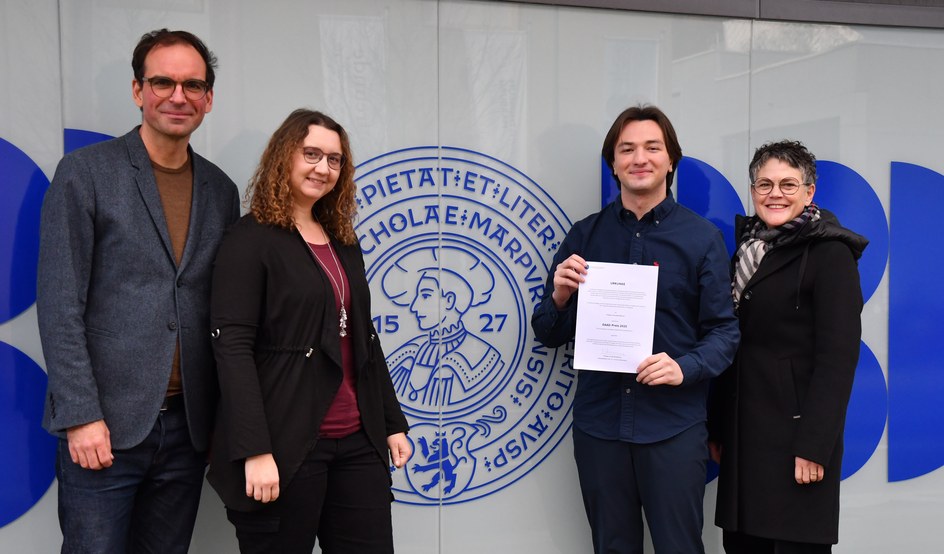
Luka Kitia erhält DAAD-Preis 2025
05.11.2025
Einladung zur Auftaktveranstaltung "100 Jahre Ethnographische Sammlung [-4] – Geschichte, Verflechtungen und Gegenwart einer Universitätssammlung"
04.11.2025
Looking Back at CCC13
Alle Nachrichten
Zurückblättern
Vorblättern
Termine
09. Juni
Kulturraub im Krieg. Verschlungene Wege und Hürden der Restitution
09. Juni 2026 18:30
–
09. Juni 2026 19:30
Landgraf-Philipp-Str. 4, 35037 Marburg
11. – 12. Juni
Plural Knowledge Cultures in Times of Crisis
11. Juni 2026 15:30
–
12. Juni 2026 13:00
Dekanatssaal FB03 - Ketzerbach 63
Alle Termine
Zurückblättern
Vorblättern
Entdecken
Fach Sozial- und Kulturanthropologie
M.A. Kultur-und Sozialanthropologie
Fach Religionswissenschaft
M.A. Religionswissenschaft
Studiengänge des Instituts für Sozialanthropologie und Religionswissenschaft
Stellenausschreibungen
AnthroLab
Veranstaltungen der Religionswissenschaft und Religionskundlichen Sammlung
Zurückblättern
Vorblättern
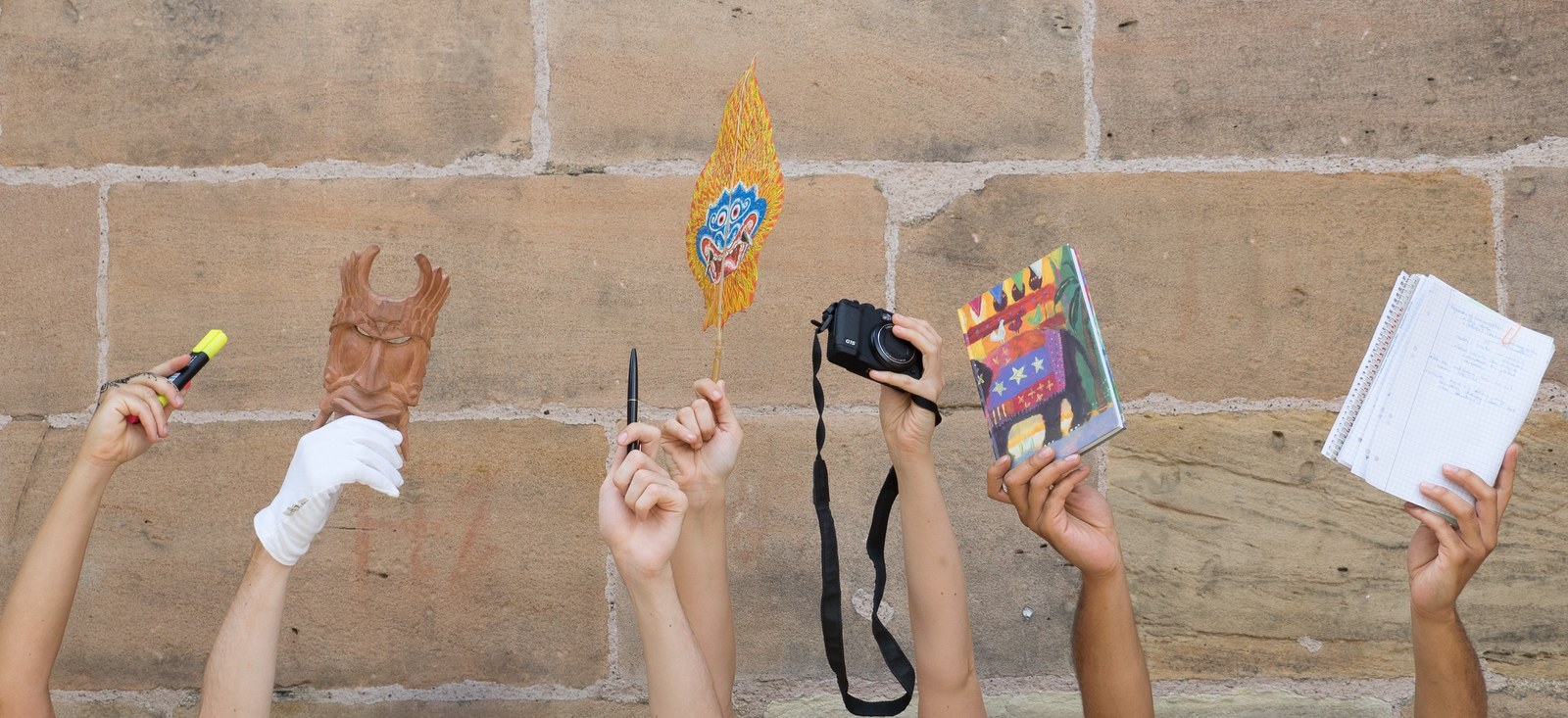 Foto: Felix Wesch