Culture Shock and Returning Back Home
(The following text by courtesy of FU-BEST, the Berlin European Studies Program of the Freie Universität)
Culture Shock
The medical community still has not developed a vaccination for that
most difficult of all maladies
experienced by the traveler: CULTURE SHOCK.
The symptoms usually appear when a person is uprooted from the safe
and secure surroundings of
home and transplanted -- voluntarily or otherwise -- to a totally
different cultural setting. The
majority of people residing in a foreign country for an extended amount
of time encounter physical
and psychological reactions to an unfamiliar culture.
Culture shock is a rite of passage for many people -- a time when
the initial newness of foreign
surroundings wears off and the realization sets in that you are going
to be in this situation for a long
time. Frustration, loneliness, homesickness, depression, irritability,
and loss of appetite are the major
signs of this "traveler’s disease".
It’s always the little things which begin to threaten your sense of
stability and well-being that cause
culture shock:
-
the way purchases are made
-
people’s mannerisms and how to respond to them
-
distinguishing between serious and amusing statements
-
using different kinds of transportation
-
attitudes towards life values
-
doing laundry
-
food shopping
Some symptoms of severe culture shock are:
-
homesickness (longing to be where things are familiar)
-
compulsive eating and drinking to excess
-
irritability and excessive need for sleep
-
boredom (no discovery of new aspects of the culture)
-
hostility and stereotyping of native people
-
avoiding contact with natives
-
inability to perform work or study efficiently
-
tension and conflict with those around you
-
unexplained crying and physical problems
Fortunately, not everyone experiences all the above symptoms. The
majority of people adjust to the
local culture reasonably well. They experience some of the symptoms,
but are able to recognize and
work their way through the problems successfully. For those who don’t,
it is important they know
that some degree of culture shock is inevitable and can occur to
anyone.
Almost everyone who has lived abroad goes through four stages of
personal adjustment, regardless
of what country they previously lived in:
-
At first, you experience the initial excitement of being in a new culture. You hold very high
expectations and an extremely positive attitude toward the host country and people. You
focus mainly on similarities between the cultures. -
Next, irritability and hostility to people and customs causes you to focus on differences in
every aspect of your life. Minor incidents are often blown out of proportion and you react in
a very negative way. -
Gradually, you orient yourself and begin to notice some of the cultural clues missed before.
The crisis stage has disappeared. Your outlook brightens and things become comfortable and
familiar. -
Finally, your attitude changes and you are able to confidently function in both cultures. You
begin to enjoy different ways of doing things.
YOU HAVE BECOME BI-CULTURAL.
We encourage you to discuss any discomfort or difficulty resulting from culture shock with those around you...: your fellow students, the Academic Director, your teachers, ...
Also, expect to experience some form of re-entry culture shock after
the program, when you
return to your home country! There is nothing wrong with you when you
find yourself
having some trouble readjusting!
Useful:
www.worldwide.edu/travel_planner/culture_shock.html
Returning Back Home
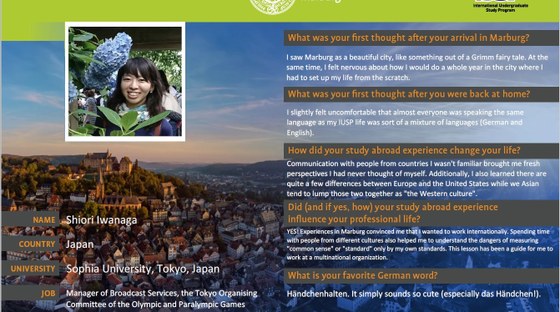
As someone who has lived and studied abroad, your attitudes,
perceptions and values will change
considerably. Though you may not realize it, getting on a plane and
flying home does not end your
international experience.
"Re-Entry Shock" is the reverse of Culture Shock. Re-entry is the process of readjusting to your home culture, which has remained the same while you have changed. Your family and friends can be supportive listeners. However, don’t expect them to fully understand your experiences.
It is very important that you search for the positive aspects in
your home surroundings. On your
home campus or in your city, find ways to take advantage of your new
"cross-cultural" interests. A
few of the ways you can incorporate your new interests and
cross-cultural insights into your life are:
-
Search out international student groups and become involved with them by participating in
their activities, tutoring and helping new arrivals adjust to your own society. -
Keep in contact with fellow students who may have studied abroad with you.
-
Talk about your own experiences in a different culture and the problems you had in adjusting
to it. -
Share stories and photographs with others.
-
Follow the news of the country in which you studied.