Main Content
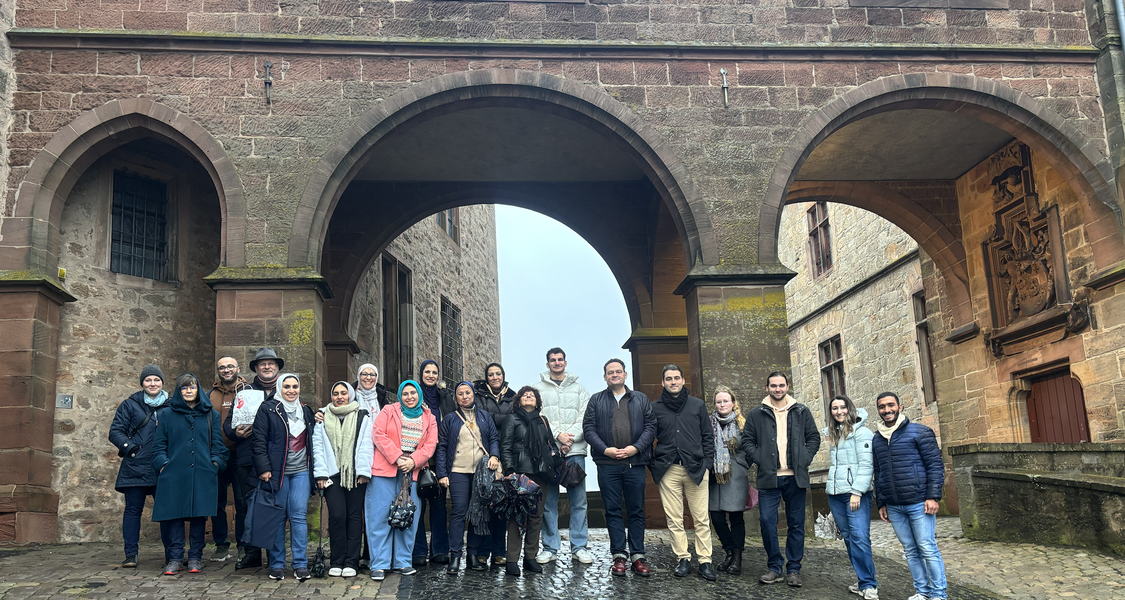
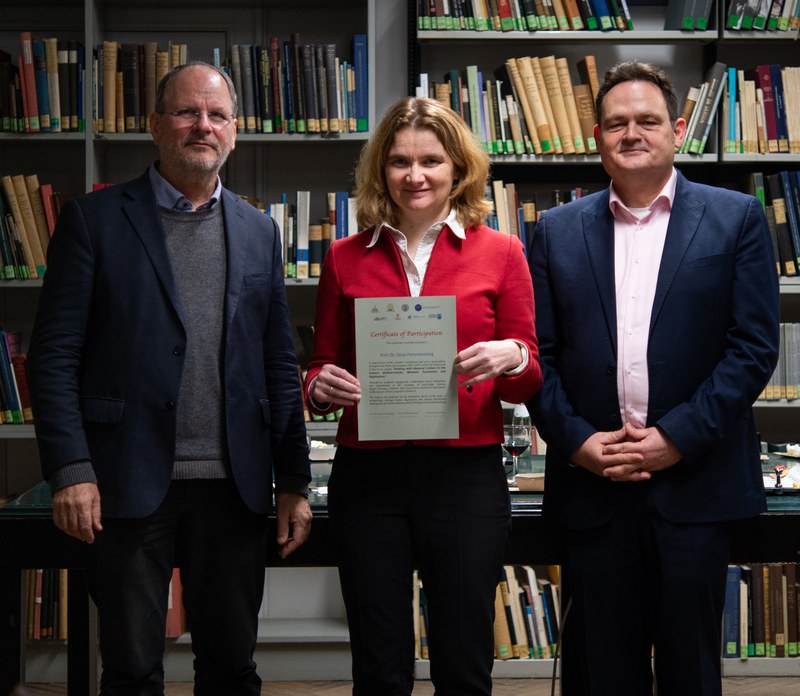
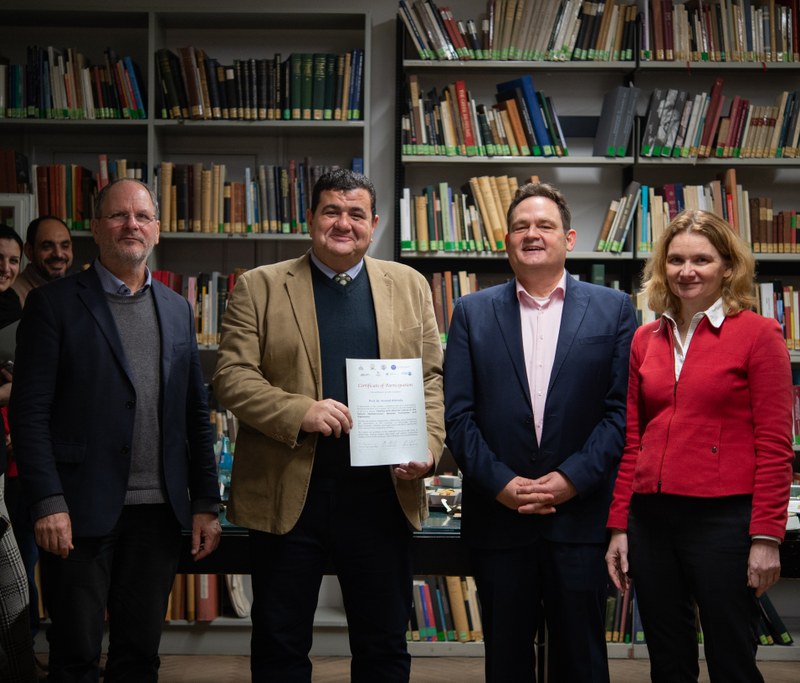
From 17–20 December 2025, the Philipps-Universität Marburg hosted the final conference of the Ta’ziz Science Cooperation 2023–2025 project under the title “Dealing with Material Culture in the Eastern Mediterranean: Between Excavation and Digitization.” The event brought together scholars from Europe, North Africa, and the Eastern Mediterranean to share research, explore interdisciplinary approaches, and reflect on the outcomes of the two-year cooperation project supported by the German Academic Exchange Service (DAAD) and partner institutions.
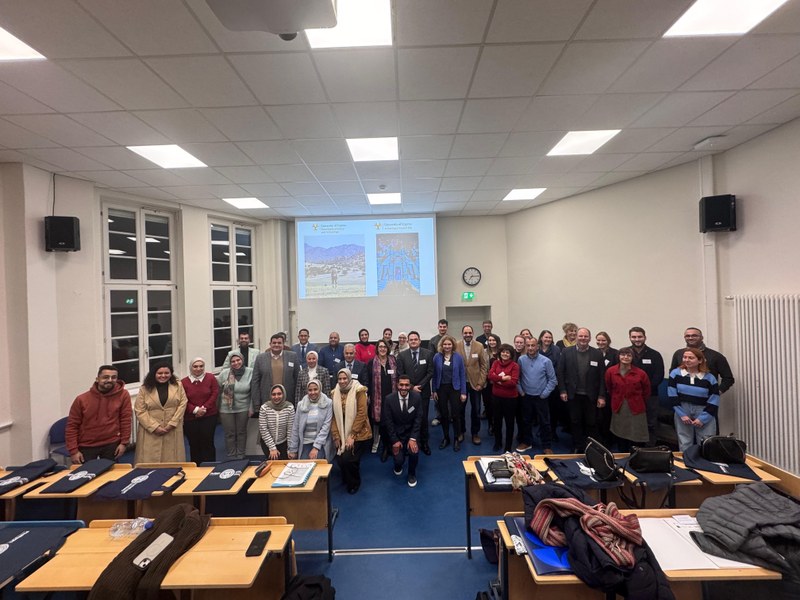
Opening Session
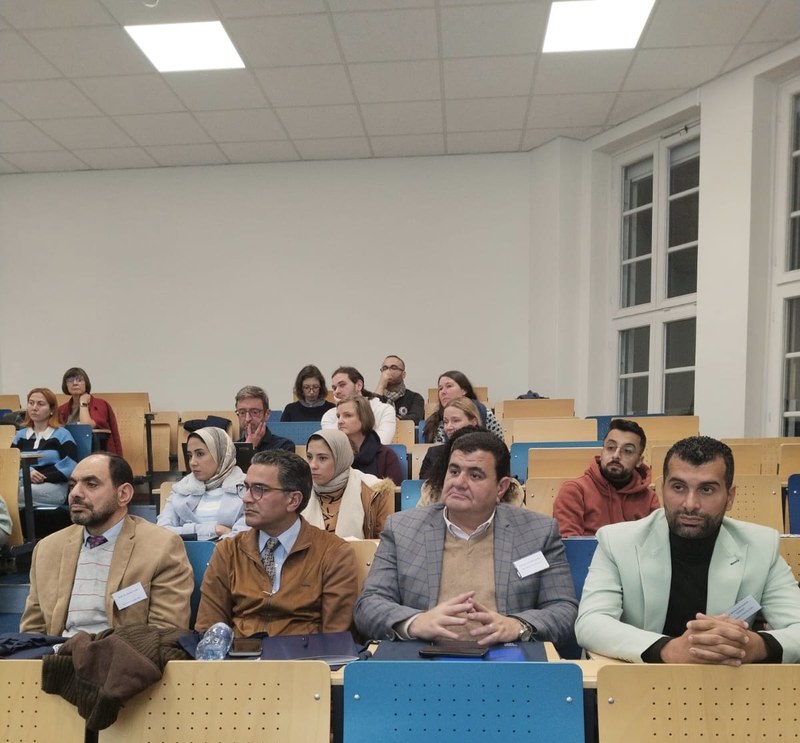
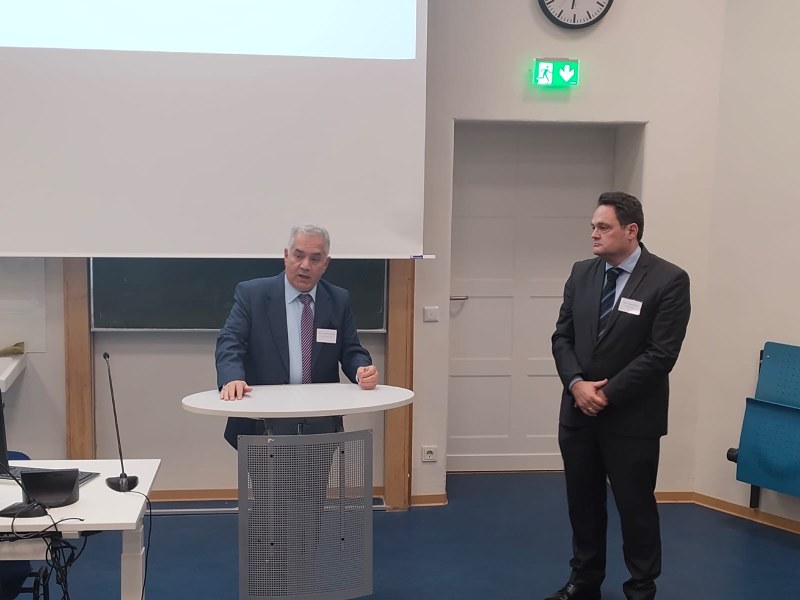
The conference opened on the evening of 17 December at the CNMS (Deutschhausstraße 12, Marburg). After welcoming remarks by Prof. Dr. Tanja Pommerening, Prof. Dr. Winfried Held, and Prof. Dr. Albrecht Fuess (Philipps-Universität Marburg), keynote addresses set the tone for the event.
Presentations included:
- Prof. Dr. Helene Sader (American University of Beirut) – “Phoenician Encounters: Cultural Monologue or Cultural Dialogue?”
- Prof. Dr. Mamdouh El-Damaty (Ayn Shams University, Cairo) – “Digitizing Cultural Heritage: The DAAD-Ta’ziz Scientific Partnership between Germany and Egypt (2023–2025).”
- Prof. Dr. Heba Saad (Alexandria University) – “Dealing with Material Culture: Some Reflections and Future Plans.”
- Prof. Dr. Ourania Kouka (University of Cyprus) – “Cyprus and its cultural interaction with Levantine and Egyptian neighbours: current research at the University of Cyprus.”
A reception at the CNMS followed the opening session, providing participants with the opportunity to reconnect and discuss the project’s developments.
Day Two – Manuscripts, Horses, and Birds
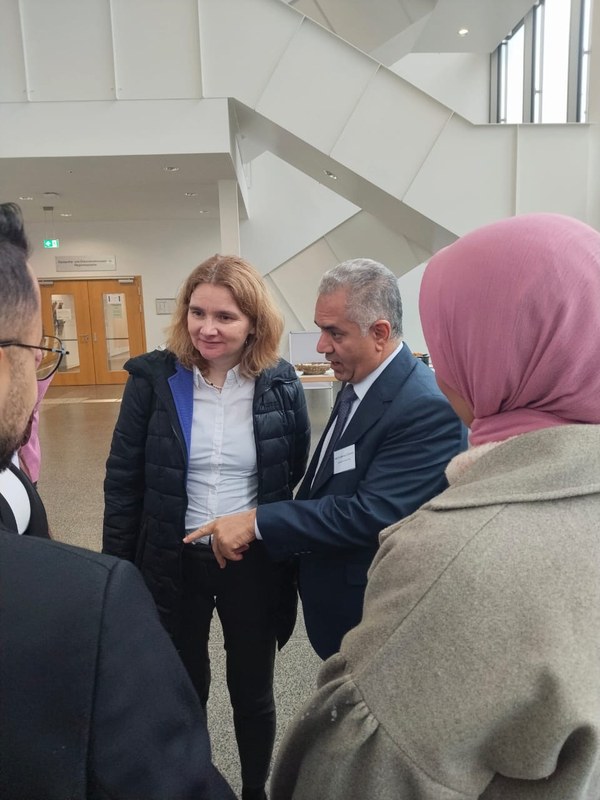
On 18 December, sessions at Deutscher Sprachatlas (Pilgrimstein 16) addressed key aspects of Islamic manuscript culture based on the collection of oriental manuscripts of the Gotha Research Library.
The sessions on Islamic Manuscripts from the Gotha Collection were opened by Dr. Feras Krimsti (Gotha Research Library, University of Erfurt) ), who introduced the collection, followed by Prof. Dr. Hassan Ebeid (Ayn Shams University) with a presentation on Inkless Text: Paper-Cut Techniques in a Rare Late Mamluk Manuscript from Gotha.
Further contributions on horses, furūsīya, and military knowledge in Islamic manuscript culture were presented by Prof. Dr. Ahmed al-Shoky (Ayn Shams University), Prof. Dr. Muhammad Ibrahim (Ayn Shams University), and Prof. Dr. Albrecht Fuess (Philipps-Universität Marburg), who discussed Kitāb al-Kamāl wa huwa al-Furūsīya.
The discussion then turned to birds and falconry in Arabic manuscripts, introduced by Prof. Dr. Heba Saad (Alexandria University). This session included presentations by Dr. Manar Hafiz on Kitāb al-Ṣayd and Dr. Mennat-Allah Naguib (Alexandria University) on Al-Maṣābīḥ al-Muzhirah fī ʿIlm al-Bazdara.
After the break, the program continued with sessions on Digital Humanities and Digitization and Excavations and Heritage Science. Contributions were delivered by Anja Piller (University of Greifswald), Dr. Ahmed Nakshara (Ayn Shams University), Dr. Hendrikje Carius (Gotha Research Library, University of Erfurt), and Prof. Dr. Albrecht Fuess (Philipps-Universität Marburg), who presented the EGYLandscape WebGIS.
In the field of heritage science and archaeology, Prof. Dr. Muhammad Ibrahim and Ahmed El Arabey (Ayn Shams University) discussed recent excavations at the Cairo Citadel, while Prof. Dr. Abderazek Elnaggar (Ayn Shams University) addressed new perspectives on heritage science and European–Egyptian cooperation.
In parallel, a dedicated session on the History of Pharmacy and Medicine took place at the Institute for the History of Pharmacy (Roter Graben 10). Contributions were presented by Prof. Dr. Tanja Pommerening (Philipps-Universität Marburg), Prof. Dr. Ourania Kouka (University of Cyprus), Dr. Maximilian Haars (Philipps-Universität Marburg), Prof. Dr. Heba Saad (Alexandria University), Prof. Dr. Demetrios Michaelides (University of Cyprus, online), Maria Rousou (University of Cyprus, online), Dr. Susanne Saker (Philipps-Universität Marburg), and Dionysios Stathakopoulos (University of Cyprus, online), addressing medical knowledge and cross-regional exchanges in the Eastern Mediterranean.
A Visit to Marburg’s Christmas Market:
The second day concluded with a guided visit to Marburg’s Christmas Market, where participants enjoyed a shared evening walk through the historic city center.
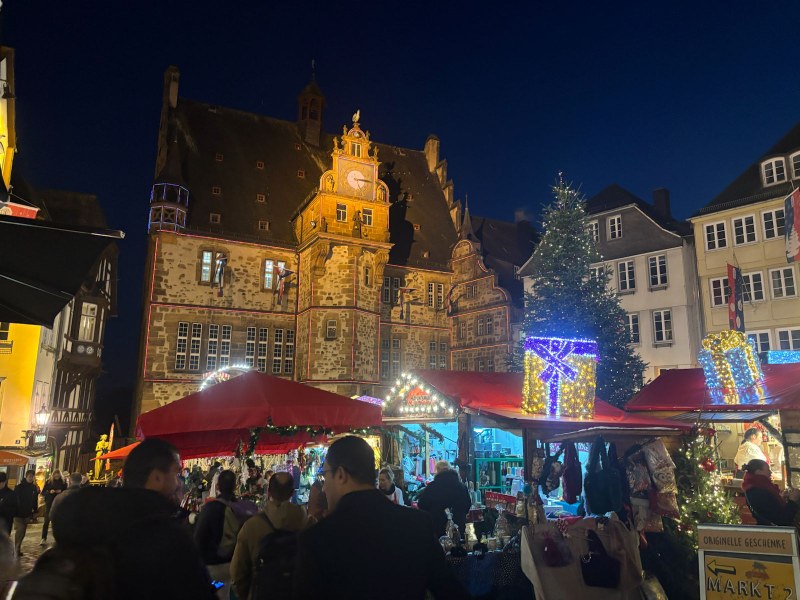
The informal atmosphere, accompanied by warm winter drinks such as traditional Sahlab, provided a pleasant setting for further exchange and strengthened the sense of academic and personal connection among the participants.
Day Three – Alexandria, Cyprus, and Bronze Statues
Programs on 19 December brought together interdisciplinary perspectives on regional heritage.
Sessions included:
Cultural Heritage in Modern Alexandria, featuring presentations by Alaa Saber, Dr. Sara Ragab, and Dr. Shaimaa Taha (Alexandria University). Studies on Levantine and Cypriot interaction with presentations by Prof. Giorgos Papasavvas and Dr. Artemis Georgiou.
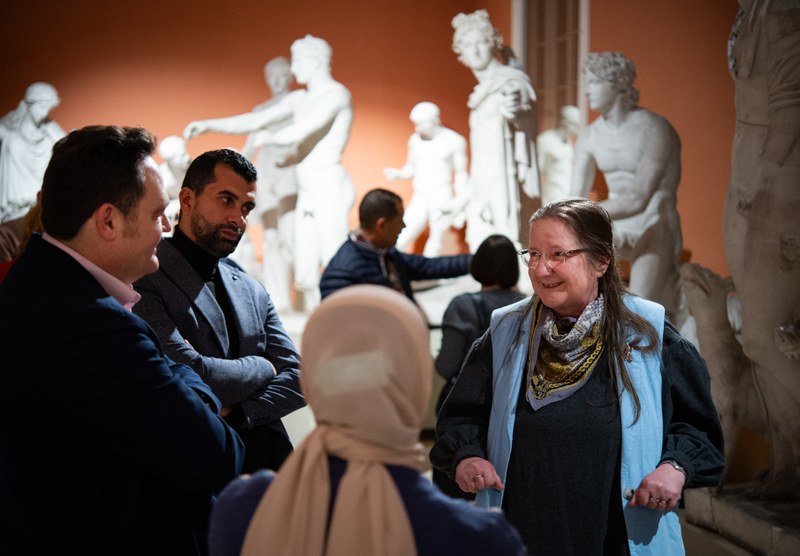
Archaeological presentations on bronze sculptures from Anatolia and Marinas, followed by a group visit to the archaeological collection.
A central component of the conference was the set of sessions on the History of Pharmacy and Medicine, organized by Prof. Dr. Tanja Pommerening (Philipps-Universität Marburg) in cooperation with colleagues from Cyprus and Egypt.
These sessions brought together scholars working on medical, pharmaceutical, and environmental knowledge in the Eastern Mediterranean, with a particular focus on Egypt and Cyprus from antiquity to the medieval period.
The day concluded with a reception at the Archaeological Institute and closing remarks from conference participants.
Farewell – City Tour and Dinner
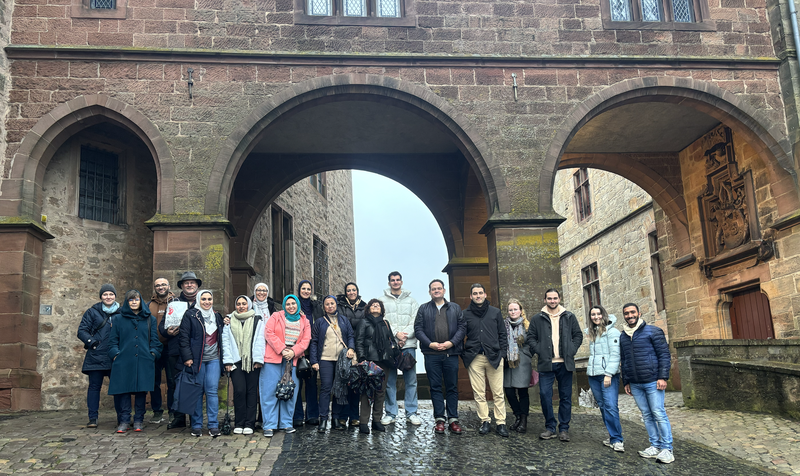
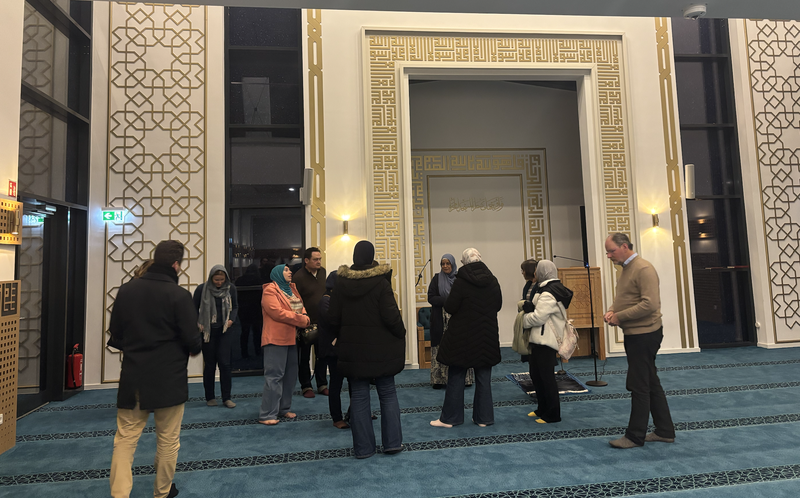
On 20 December, participants enjoyed a guided city tour of Marburg led by Prof. Dr. Albrecht Fuess, concluding with a farewell dinner buffet at the Marburg Mosque (Bei St. Jost 17), celebrating the cooperative achievements of the Ta’ziz project.
About Ta’ziz Science Cooperation:
The Ta’ziz Science Cooperation 2023–2025 was a collaborative initiative involving multiple academic institutions in Germany and Egypt. Through conferences, workshops, and research exchanges, the project focused on material culture in the Eastern Mediterranean, promoting dialogue between scholars and enhancing capacities for digitization and interdisciplinary research.