01.06.2026 NAVINCLASS Teams from Madrid and Coimbra successfully conducted focus groups
Comillas University in Madrid and the University of Coimbra successfully conducted a series of qualitative focus groups with students and teaching staff. The discussions provided important insights into how conflicts arise and manifest themselves in university classrooms, how students and educators experience them, and how they respond to challenging situations.
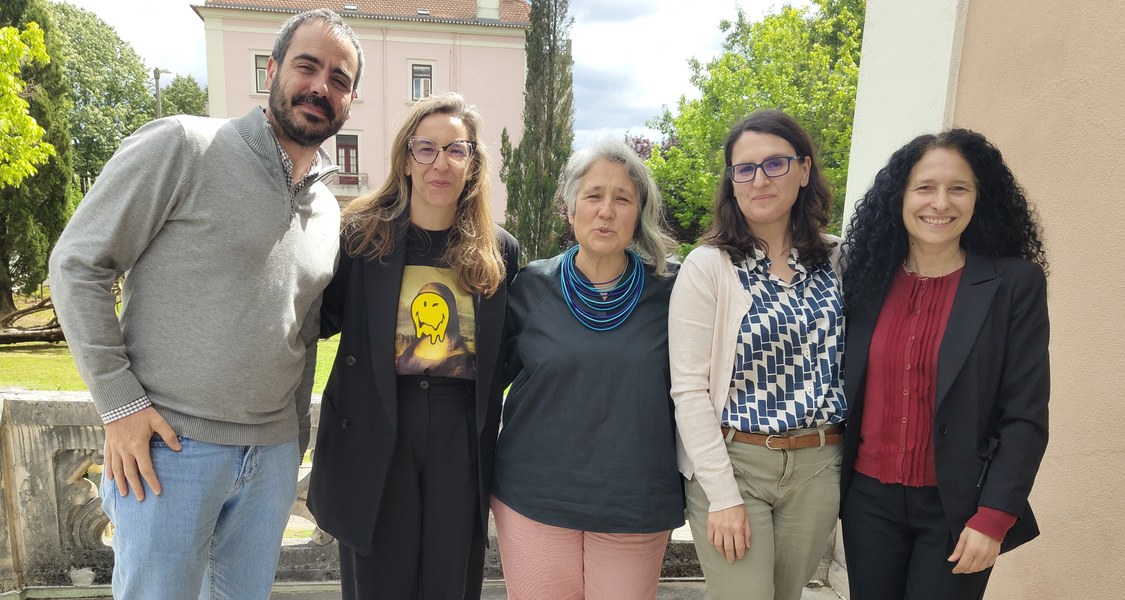
In May 2026, teams from Comillas University in Madrid and the University of Coimbra supported each other in conducting a series of qualitative focus groups as part of the NAVINCLASS project. By bringing students and teaching staff together in small discussion groups, the research teams created spaces in which participants could reflect openly on their experiences of conflict and tension in higher education classrooms.
The discussions highlighted a notable contrast between student and staff perspectives. While both groups recognised that classroom tensions can arise around political and societal issues, students described experiences that are not always visible to teaching staff. These included political and ideological polarisation, discrimination, homophobic remarks, and chauvinistic attitudes, particularly in discussions and group work. At the same time, students emphasised the importance of the university as a space for open dialogue and exchange.
Participants also discussed how broader societal controversies can enter the classroom and shape interactions between students. In Madrid, for example, public debates surrounding a highly publicised euthanasia case became the subject of intense and sometimes highly personal classroom discussions. Such examples illustrate how conflicts originating beyond the university can become part of everyday teaching and learning.
The focus groups constitute an important element of NAVINCLASS because they allow the project to examine both how conflicts actually unfold in classroom practice and how students and educators believe they should ideally be addressed. The discussions therefore explore not only lived experiences and existing responses to conflict, but also participants’ views on approaches and strategies that could help to prevent, manage, or constructively address conflict in higher education.
By combining descriptive accounts of real classroom dynamics with reflection on possible and desirable approaches, the focus groups provide an empirical foundation for the subsequent stages of NAVINCLASS. Their findings will help the project identify recurring challenges and existing good practices and inform the development of conflict-sensitive approaches, guidelines, and workshop formats. In this way, the focus groups connect participants’ everyday experiences with the project’s broader aim of approaching classroom conflict not simply as an obstacle to teaching and learning, but also as a potential opportunity for constructive engagement and learning.