Main Content
Meetings during the NAVINCLASS Project
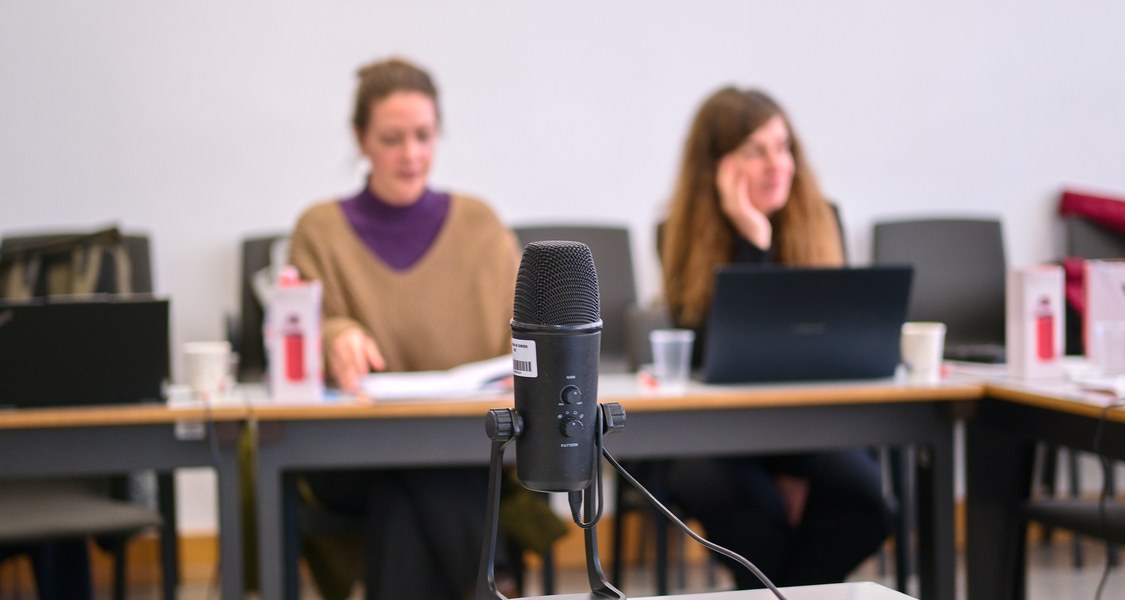
NAVINCLASS relied on in-person meetings of consortium members to discuss project progress and the implementation of key activities, ensuring the cohesive development of Work Packages that build upon one another. To optimise the time commitment of participating staff while maintaining continuity in collaboration, the project includes a series of Transnational Project Meetings throughout its duration.
Transnational Project Meetings
The Transnational Project Meetings of NAVINCLASS are organised by one of the project's participating organisations with the purpose of project implementation and coordination.
TPM1: University of Coimbra
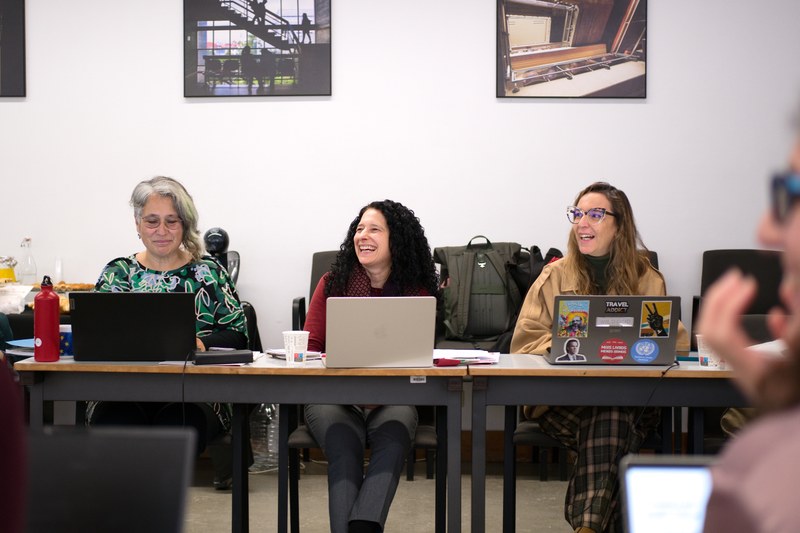
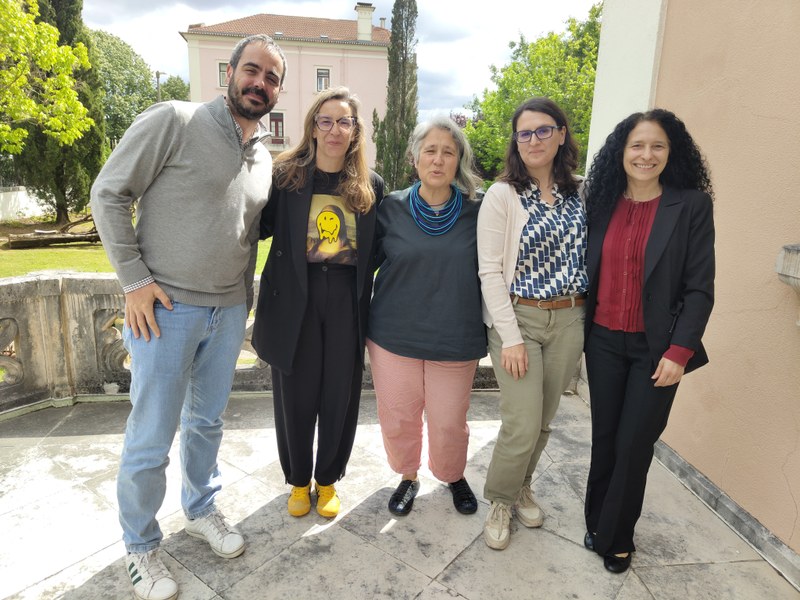
The NAVINCLASS project officially launched with its first Transnational Project Meeting (TPM1) at the University of Coimbra on January 15–16, 2026. The partnership established a conceptual and methodological framework focusing on academic conflicts, polarization, and peace education strategies in higher education. In addition to defining research questions, focus group methodologies, and timelines, the consortium agreed on task distributions and responsibilities. The meeting concluded with an exchange involving students and lecturers, laying a solid foundation for the project's ongoing collaboration.TPM2: Comillas Pontifical University
The NAVINCLASS project held its second Transnational Project Meeting (TPM2) at Comillas Pontifical University in Madrid on May 28–29, 2026. Partners reviewed local fieldwork findings, analyzing qualitative focus group data on classroom conflicts, societal polarization, and institutional challenges. Discussions focused on Work Package 3, exploring process-oriented frameworks to help educators manage polarization and emotional dynamics through safe, structured spaces. Additionally, the consortium planned the upcoming quantitative survey, clarified Erasmus+ financial guidelines, and defined timelines for joint publications and dissemination. Overall, TPM2 successfully integrated empirical insights to establish a clear roadmap for the project's next stages.
Focusgroup Meetings
Each partner university is organizing dedicated focus groups involving Bachelor's students, Master's students, and teaching staff to capture firsthand experiences of classroom conflict from both sides of the lecture desk. In analyzing how these focus groups were conducted, the research highlights which topics mattered most to the participants,mincluding those deeply felt conflicts that proved particularly moving or heated. Ultimately, these discussions aim to uncover the exact nature of today's classroom tensions and define the practical support systems students and educators want to see in the future.
Focusgroups at University of Coimbra
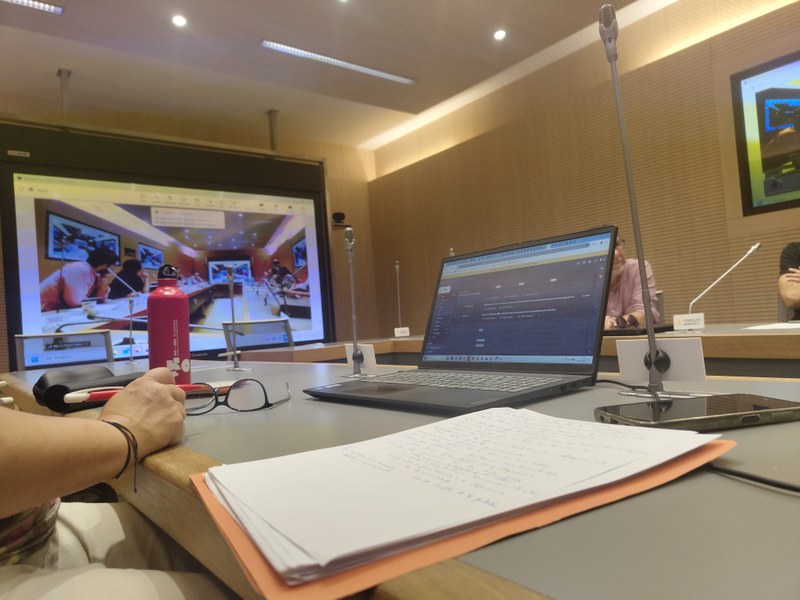
To capture real, firsthand experiences of classroom conflict, we conducted two qualitative focus groups on May 15, 2026. The sessions were split to allow for open dialogue: a morning session at 10:30 am with eight Bachelor (B.A.) students, followed by an afternoon session at 2:00 pm with five university teachers. Keeping these groups small and focused allowed us to dive straight into the participants' personal experiences while ensuring everyone had the space to speak.
The discussions quickly revealed a fascinating contrast in how students and faculty perceive the campus atmosphere. While our undergraduate students described a growing, highly conflictual environment on campus, the teachers did not share this intense perception. For the students, ideological and political polarization is a daily reality, particularly when it comes to tensions between left-wing and far-right views. They frequently highlighted issues of migrant-based discrimination, homophobic remarks, and male chauvinistic attitudes in peer-to-peer interactions. Teachers, on the other hand, did acknowledge that general tensions exist, but they admitted to not fully grasping the underlying student dynamics that these tensions ultimately produce.
The most vivid and emotionally charged moment in the room occurred when students began discussing the invisible boundaries of daily campus life. The atmosphere turned noticeably intense as students shared highly personal encounters with discrimination and homophobic attitudes during group work and casual interactions. What made this discussion so moving and indeed heated, was the palpable frustration among the students: they care deeply about having a safe, respectful learning space, yet they feel these incidents often fly completely under the faculty's radar. This stark disconnect between the students' lived reality and the teachers' limited awareness was a powerful, eye-opening moment that underscored exactly why the NAVINCLASS project is so urgently needed.Focusgroups at University of Mostar
Between May and June 2026, the University of Mostar successfully conducted six focus groups involving 52 participants, including Bachelor's students, Master's students, and academic staff. Facilitated by the research team using a semi-structured guide, each 90-minute session was held in Croatian and audio-recorded. Despite the logistical challenge of coordinating schedules at the busy end of the academic semester, all sessions were completed in an open, respectful, and highly collaborative atmosphere.
While all groups agreed that classroom conflicts usually stem from communication issues rather than direct confrontation, they offered distinct viewpoints. Bachelor's students focused on everyday classroom organization, communication with lecturers, and grading fairness. Master's students took a more critical approach, discussing power dynamics, diversity, and how broader sociopolitical issues influence the classroom. Meanwhile, academic staff emphasized the challenge of fostering open dialogue on sensitive topics, such as ethnicity, religion, and politics, while maintaining professional authority and psychological safety.
The most emotionally engaging discussions centered on everyday power dynamics, specifically around non-transparent grading practices and moments where students felt their identities or opinions were unintentionally stereotyped by lecturers. Participants shared personal experiences of how small, careless comments can instantly reduce a student's sense of belonging. The atmosphere remained highly constructive and supportive; instead of focusing on individual blame, participants listened closely to one another to collectively explore how trust, transparency, and respectful communication can build a safer, more inclusive learning environment.Focusgroups at Comillas Pontifical University
Photo: University of Coimbra In close collaboration with our colleagues from the University of Coimbra, we conducted three qualitative focus groups over two days. The fieldwork began on May 26 with seven undergraduate lecturers, followed on May 27 by two separate sessions featuring seven undergraduate students and seven postgraduate lecturers.
There are several sensitive topics involved, such as feminism, migration, and ideological or religious issues. On the issues identified, both professors and students show a high degree of agreement. Both groups perceive an increase in conflict in recent years, although students nuance this view by noting that, within the university context, it is generally possible to discuss any topic. They also highlight a clear difference with pre-university stages, where conflict tended to be more frequent or more personal in nature.
It has also become evident that these issues are closely connected to broader societal dynamics and media coverage. A clear example is the classroom discussions triggered by a euthanasia request from a 26-year-old woman, which received significant media attention and sparked considerable controversy in Spain, subsequently extending into the classroom.
These conflictual situations often generate significant discomfort and can lead to an increasingly aggressive tone, which at times extends into personal references.Focusgroups at Marburg University
Photo: Marburg University Photo: Marburg University
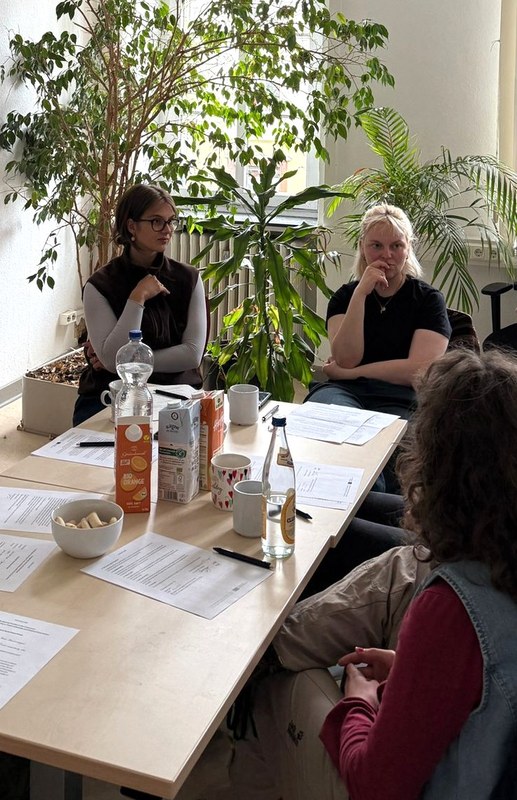
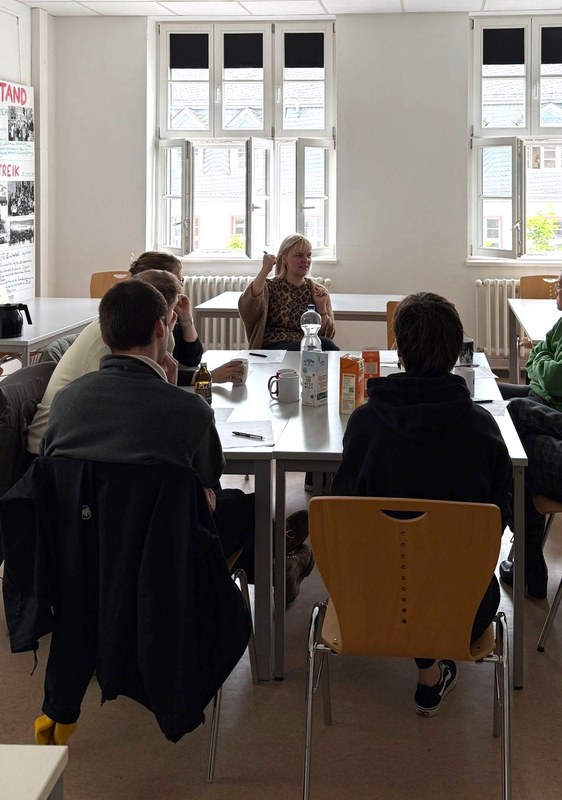
Following a collaborative visit by the Marburg team to Sarajevo to conduct focus groups there, colleagues from Sarajevo and Marburg flew together to Marburg to facilitate the local sessions. On June 15, 2026, the fieldwork began with an undergraduate (B.A.) student group. On June 16, the research continued with two Master’s groups, another Bachelor's group, and a session for lecturers. To establish a genuine sense of psychological safety, the student focus groups were conducted peer-to-peer, facilitated by two fellow students who created a trusted, open space for honest sharing.
The discussions revealed a striking contrast in perception, with students reporting a much higher awareness of classroom conflicts than faculty. Key topics centered on political polarization, clashing opinions, and moments of tense silence and a lack of active positioning within the classroom. Participants discussed the societal shift toward the far-right and how this trend manifests in academic spaces. A major concern was how educators respond to these dynamics; students expressed a strong desire for better, more proactive conflict-handling strategies, noting that some classroom tensions only escalate because of poor or passive intervention by lecturers.
A deeply moving and recurring subject across almost all focus groups was a recent local incident involving hostile, far-right-wing student attacks against a professor at the University of Marburg. This event has caused widespread anxiety among the academic community. Participants expressed profound worry about the future, questioning whether other faculty and students might face similar hostility. The discussion highlighted a palpable fear of speaking out openly, with students and staff expressing genuine concern about potential backlash for sharing their views.Focusgroups at Babeș-Bolyai University
Focusgroups at Sarajevo University