15.06.2026 University of Mostar explores classroom dynamics by conducting six focus groups
The focus groups at the University of Mostar revealed that classroom conflicts primarily stem from communication issues and power dynamics, highlighting a shared commitment among students and staff to foster transparency, psychological safety, and a more inclusive learning environment.
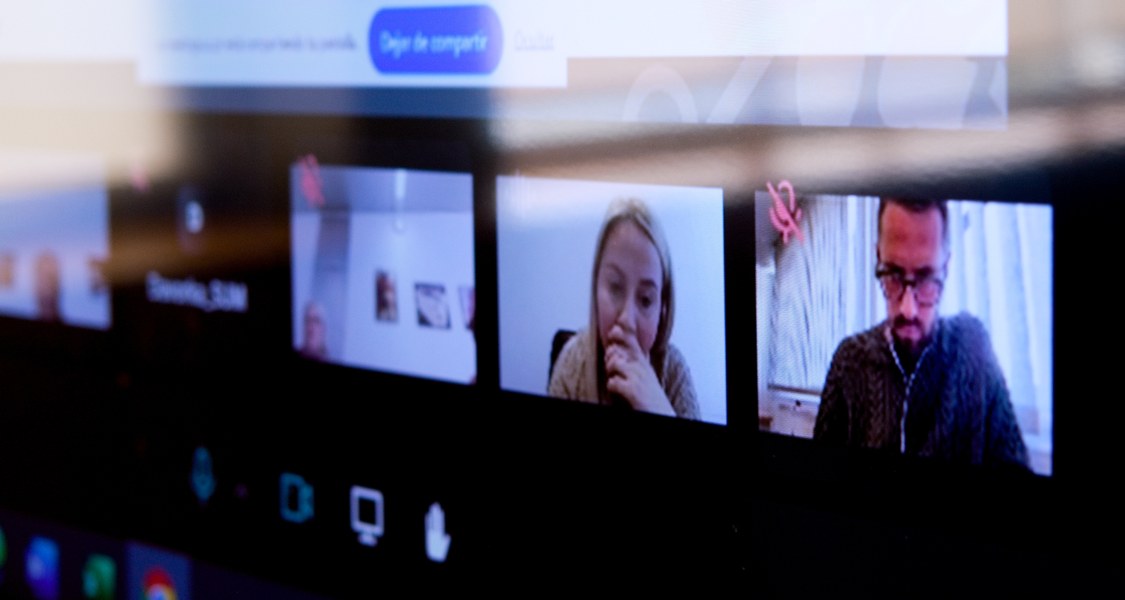
Between May and June 2026, the University of Mostar successfully conducted six focus groups involving 52 participants, including Bachelor's students, Master's students, and academic staff. Facilitated by the research team using a semi-structured guide, each 90-minute session was held in Croatian and audio-recorded. Despite the logistical challenge of coordinating schedules at the busy end of the academic semester, all sessions were completed in an open, respectful, and highly collaborative atmosphere.
While all groups agreed that classroom conflicts usually stem from communication issues rather than direct confrontation, they offered distinct viewpoints. Bachelor's students focused on everyday classroom organization, communication with lecturers, and grading fairness. Master's students took a more critical approach, discussing power dynamics, diversity, and how broader sociopolitical issues influence the classroom. Meanwhile, academic staff emphasized the challenge of fostering open dialogue on sensitive topics, such as ethnicity, religion, and politics, while maintaining professional authority and psychological safety.
The most emotionally engaging discussions centered on everyday power dynamics, specifically around non-transparent grading practices and moments where students felt their identities or opinions were unintentionally stereotyped by lecturers. Participants shared personal experiences of how small, careless comments can instantly reduce a student's sense of belonging. The atmosphere remained highly constructive and supportive; instead of focusing on individual blame, participants listened closely to one another to collectively explore how trust, transparency, and respectful communication can build a safer, more inclusive learning environment.