20.06.2026 Team from Marburg achieved productive focus groups sessions supported by Sarajevo
The focus groups shed light on the subtle ways broader societal shifts shape everyday university life, underscoring the need for constructive approaches to classroom conflicts.
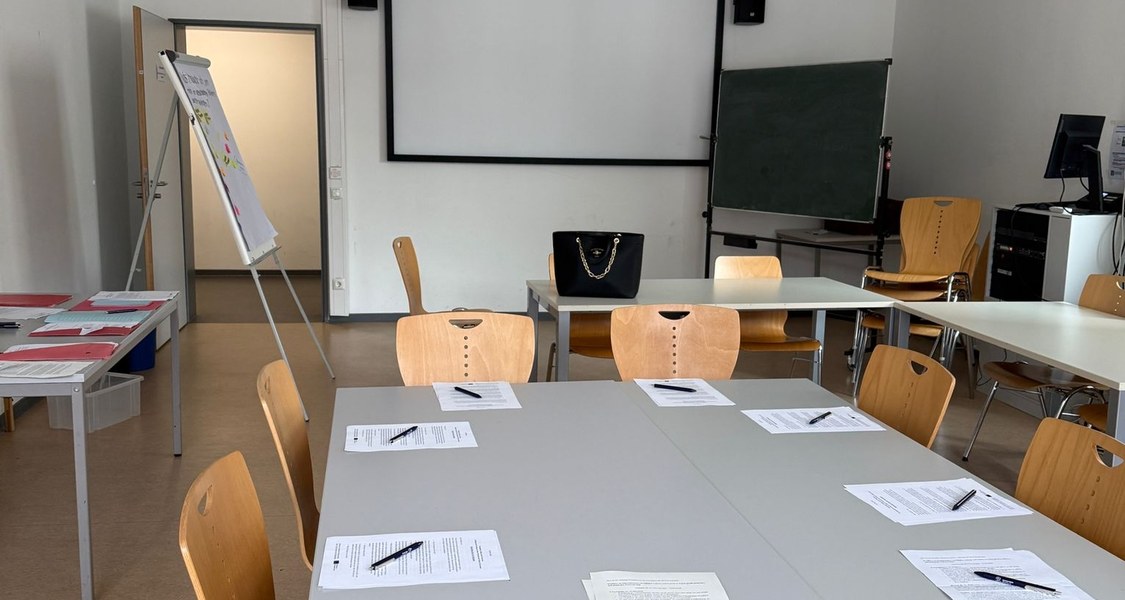
Following a collaborative visit by the Marburg team to Sarajevo to conduct focus groups there, colleagues from Sarajevo and Marburg flew together to Marburg to facilitate the local sessions. On June 15, 2026, the fieldwork began with an undergraduate (B.A.) student group. On June 16, the research continued with two Master’s groups, another Bachelor's group, and a session for lecturers. To establish a genuine sense of psychological safety, the student focus groups were conducted peer-to-peer, facilitated by two fellow students who created a trusted, open space for honest sharing.
The discussions revealed a contrast in perception, with students reporting a higher awareness of classroom conflicts than faculty. Key topics centered on political polarization, clashing opinions, and moments of tense silence and a lack of active positioning within the classroom. Participants discussed the societal shift toward the far-right and how this trend manifests in academic spaces. A major concern was how educators respond to these dynamics; students expressed a strong desire for better, more proactive conflict-handling strategies, noting that some classroom tensions only escalate because of poor or passive intervention by lecturers.
A deeply moving and recurring subject across almost all focus groups was a recent local incident involving hostile, far-right-wing student attacks against a professor at the University of Marburg. This event has caused widespread anxiety among the academic community. Participants expressed profound worry about the future, questioning whether other faculty and students might face similar hostility. The discussion highlighted a palpable fear of speaking out openly, with students and staff expressing genuine concern about potential backlash for sharing their views.
The focus groups demonstrated ongoing issues with classroom conflicts and underscored a strong need and demand for improved ways to handle them.