Main Content
Microbes-for-Future@School
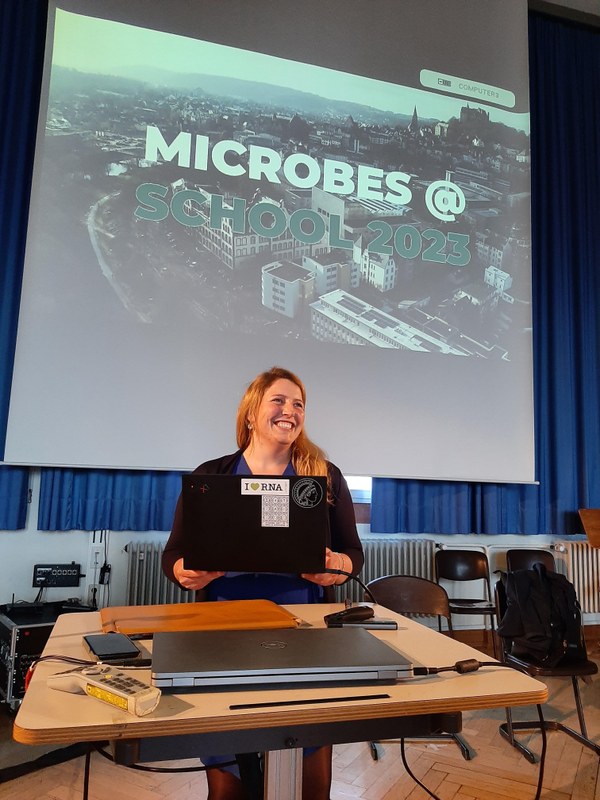
Microbes @ school series
How can microbial research help make the world a better place? How do you become a researcher and what is the day-to-day routine? A comprehensible insight into research where you can ask these and other questions right away. Every year we organize new lectures and are guests at a different school.
Lecture Series „Microbes for Future“
- Link to Lecture Series „Microbes for Future“
- Link to Events@school
- Link to Educational Offers "Max Plank goes to school"
Upcoming Lectures„Microbes for Future“
Microbial Power - New Ways Forward to Adresss Climate Crisis
Date: Feb 23, 2026 Time: 03:30 PM - 04:30 PM (Local Time Germany)
Speaker: Prof. Dr. Tobias Erb Location: Schule und Internat Steinmühle, Marburg-Cappel
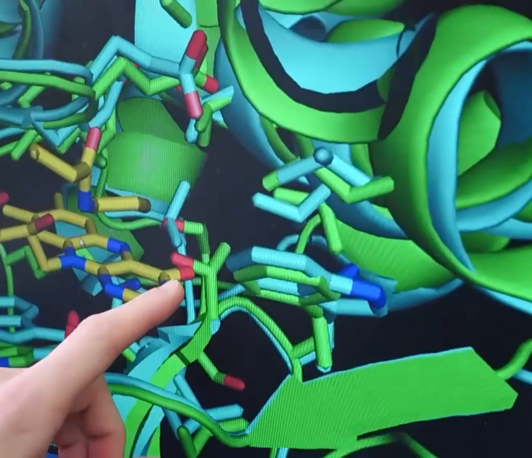
From artificial photosynthesis to ATP from electricity: Tobias Erb, director at the Max Planck Institute in Marburg, believes that new solutions can be found at the intersection of different disciplines. But how can we become more efficient than nature? How can we teach E. coli, the 'workhorse bacterium' of biotechnology, new biochemical processes? Prof. Dr. Erb is particularly interested in the binding and conversion of the greenhouse gas CO₂. Taking inspiration from nature, he and his team use synthetic biology to find new solutions for future sustainability, according to the motto: out of the atmosphere and into the bioeconomy.
Bacteria at the Limit - A Journey to the Earth's Smallest Survivalists,
Date: Mar 3, 2026 Time: 03:30 PM - 04:15 PM (Local Time Germany) Speaker: Dr. Judith Klatt
(In German language) Location: Schule und Internat Steinmühle, Marburg-Cappel
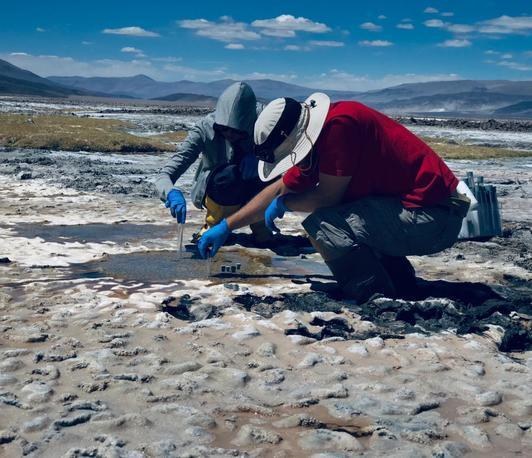
High UV radiation, exposure to heavy metals, extreme temperatures, little oxygen: some microbes live in places you can hardly imagine. Follow geomicrobiologist Judith Klatt, research group leader at the Future Center Microcosm Earth in Marburg, Germany, on a quest to explore these microbial survivors. It is also a journey to the very first microbes and the beginnings of the Earth.
Departed Lectures„Microbes for Future“
Microbial Superheros - how bacterial enzymes can change our world
Date: Feb 11, 2025 Time: 05:30 PM - 06:30 PM
Speaker: Dr. Judith Klatt Dr Johannes Rebelein (In German language) Location: Elisabethschule Marburg
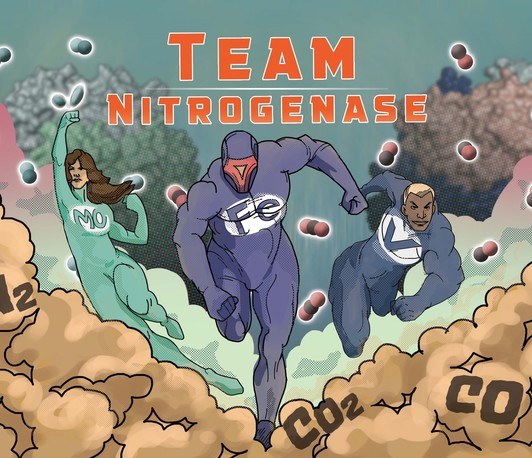
Dr Johannes Rebelein is working with a bio-catalyst which accomplishes one of the most difficult chemical tasks in nature: the conversion of elemental nitrogen into a form usable by plants, and thus by us. But when he began to investigate the workings of nitrogenase in detail, Johannes Rebelein discovered that the enzyme was capable of doing even more than that. The enzyme could be the starting point for a new biotechnology that produces useful materials from the greenhouse gas CO2.
Bacteria at the Limit - A Journey to the Earth's Smallest Survivalists, Date: Mar 14, 2024 Time: 5:30 PM - 6:15 PM
Speaker: Dr. Judith Klatt (In German language) Location: Gymnasium Philippinum Marburg, Kultidrom
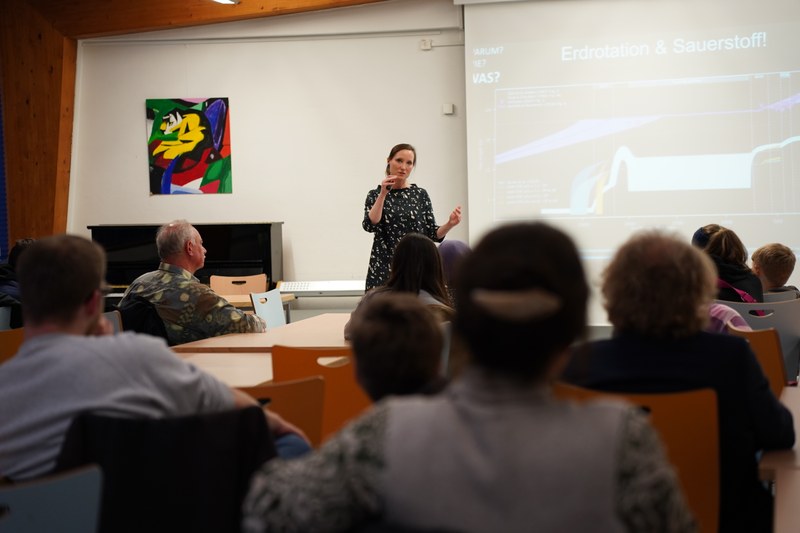
Life 2.0 What is Synthetic Biology, Date: Feb 29, 2024 Time: 05:30 PM - 06:15 PM
Speaker: René Inckemann (In German language) Location: Gymnasium Philippinum Marburg, Kultidrom
The Tricks of the Trade - Salmonella and Co. Date: Nov 7, 2024 Time: 05:30 PM - 06:15 PM
Speaker: Dr. Andreas Diepold (In German language) Location: Gymnasium Philippinum Marburg, Kultidr
Tomorrow`s Antibiotics - the Ingenius Toolbox of Mikrobes Date: Nov 28, 2024 Time: 05:30 PM - 06:15 PM Speaker: Prof. Dr. Helge Bode (In German language) Location: Gymnasium Philippinum Marburg, Kultidrom
Children`s University at MPI Marburg
ChildrenUniversity at MPI-TM: Special Event Date: 28.08.2025 Time: tba Speaker: Prof. Dr. Helge Bode
Location: MPI für terrestrische Mikrobiologie Room: Großer Hörsaal, Seminarräume and Foyer
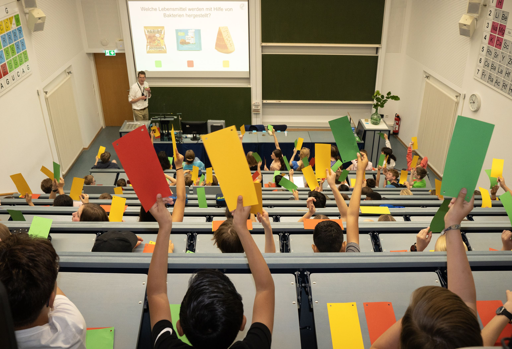
Our project in cooperation with the Botanical Garden of the Philipps University in Marburg offers schoolchildren an insight into microbial research. First a lecture on the importance of microbiology, then collecting samples together in the Botanical Garden of the Philipps University of Marburg, and finally isolating bacteria in the foyer of the MPI.
On 27 June 2024 , the Max Planck Institute (MPI) for Terrestrial Microbiology in Marburg opened its doors to more than 200 pupils from the region to give them an exciting insight into the world of microbes. The first "Max Planck Children`s University on the Lahnberge in cooperation with the Botanical Gardens of the Philipps University of Marburg, offered a varied programme of listening and participation.
->Article About Childrens University on 28th June 2024