30.04.2026 30 Years of Ecosystem Research in the Andes: Marburg Research Shows Pathways to a Resilient Future
Long-term research examines tropical high-mountain ecosystems – new risks and research needs
How do tropical high-mountain ecosystems respond to global change – and what does this mean for their future? For three decades, an international research program in southern Ecuador has been providing key answers. Under Marburg leadership since 2006, attention is now increasingly turning to open questions: How resilient are these systems in the face of increasing climate extremes – and which strategies can ensure their long-term resilience?
Foundations for Adaptation Strategies
Tropical mountain forests in the Andes play a crucial role in the global water and carbon cycles, as well as in the conservation of biodiversity. At the same time, these functions are increasingly threatened by climate and land-use change. For a long time, however, it remained largely unknown how resilient these ecosystems are to environmental changes. This knowledge is essential for developing and implementing sound adaptation strategies.
Unique Research Infrastructure in High Mountains
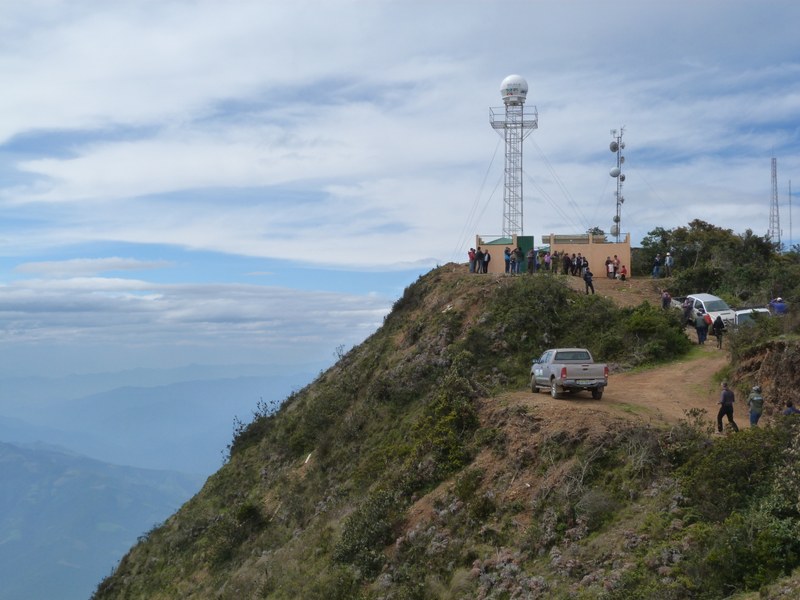
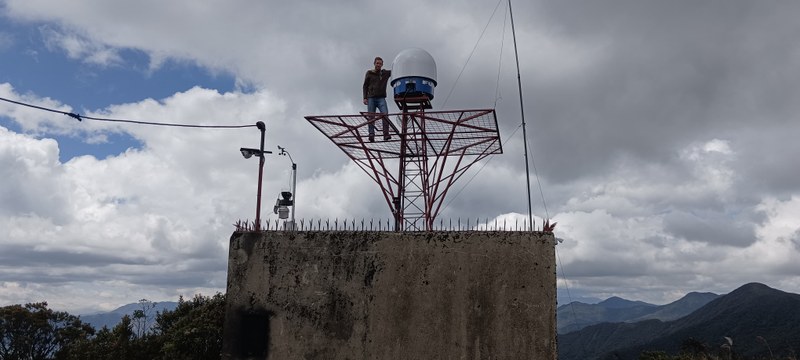
Against this backdrop, a research program in southern Ecuador, ongoing for 30 years, is dedicated to understanding how ecosystems in this biodiversity hotspot respond to environmental change. The research has been continuously funded by the German Research Foundation (DFG) within interdisciplinary collaborative projects, and since 2006 has been led by Marburg University (www.TropicalMountainForest.org), with Prof. Dr. Nina Farwig (conservation ecology) and Prof. Dr. Jörg Bendix (geography). On site, a globally unique research infrastructure for tropical high mountains has been established – including research stations, canopy towers, and a weather radar network unparalleled in South America.
Anniversary Event in Loja
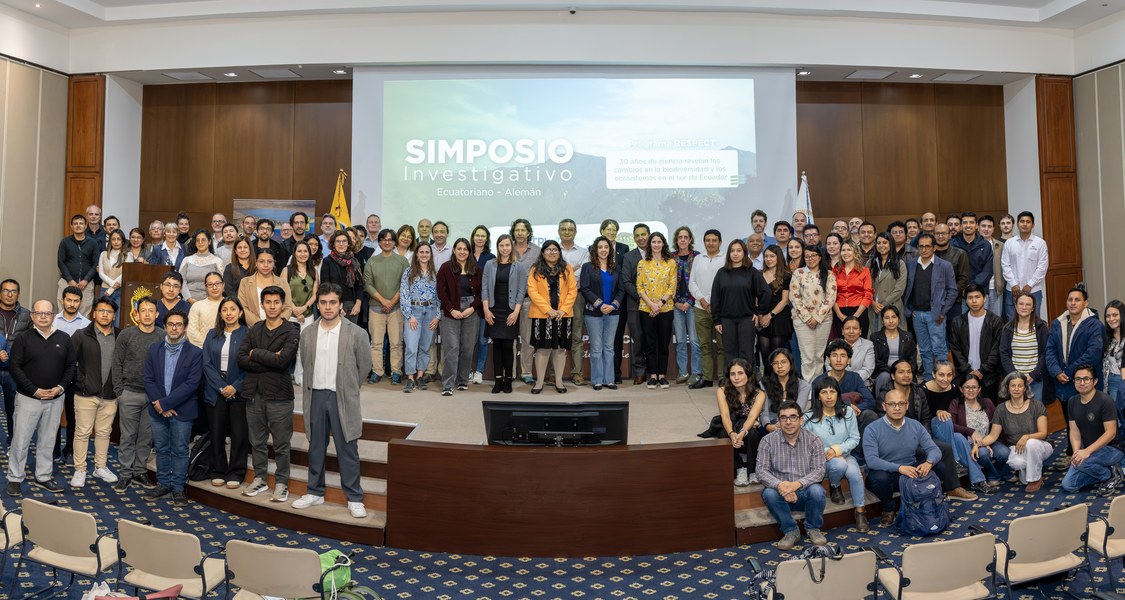
In March 2026, the 30th anniversary was celebrated with a formal event at the Technical University of Loja (southern Ecuador). Participants included a DFG delegation from its Bonn headquarters (Senate and review boards), representatives of the DFG in South America (São Paulo), as well as the German ambassador to Ecuador. Rectors of long-standing partner universities in Loja (UTPL, UNL) and Cuenca also attended and highlighted the collaboration in their addresses. Guests were also able to gain firsthand insight into the research infrastructure established on site.
Interdisciplinary Expertise and Early-Career Development
The results of 30 years of fundamental research are impressive: more than 700 scientific publications and unique long-term datasets stored in a database document key findings on the resilience of these ecosystems. “Another outstanding success is the training of a new generation of interdisciplinary early-career researchers in integrative biodiversity research,” emphasizes Marburg conservation biologist Prof. Dr. Nina Farwig. More than 400 German and Ecuadorian researchers at all career stages have been trained within the program – some of whom now hold leading positions in academia, including rector positions at partner universities.
Knowledge Transfer: Three UNESCO Biosphere Reserves Established
The impact of the research is also evident in its application: scientific support played a key role in the establishment of three UNESCO biosphere reserves. In the current phase of the RESPECT research group, the insights and data gained are being used, together with Justus Liebig University Giessen, to develop and test a new biodiversity-informed land surface model. “The aim is to better assess the resilience of biodiversity, ecosystem services of natural forests, and the embedded agricultural systems under increasing climate extremes,” says Marburg climate geographer Prof. Dr. Jörg Bendix. Initial successful tests were published by Bendix and colleagues last year in the journal Science of the Total Environment (Bendix et al., https://doi.org/10.1016/j.scitotenv.2025.179510).
Looking Ahead: Microbes for Climate in High Mountains
At the same time, it is clear that despite significant progress, these complex ecosystems are still far from fully understood. Future research must particularly focus more on previously neglected but highly relevant groups of organisms such as microbes. They play a crucial role in the dynamics of biodiversity and ecosystem services – for example in carbon sequestration and local food security – and respond sensitively to ongoing climate change. With the Center for Synthetic Microbiology (SYNMIKRO), Marburg University is ideally positioned to address these questions and deliver groundbreaking new insights in the coming years.
Contact
Prof. Dr. Nina Farwig
Tel.: 06421 28-23478
Mail: farwig@uni-marburg.de
Conservation Ecology
Marburg University