Direkt zum Hauptinhalt
Suchbegriff eingeben
Suche und Suchergebnis
Service-Navigation
Start
Fachbereiche
01
Rechtswissenschaften
02
Wirtschaftswissenschaften
03
Gesellschaftswissenschaften und Philosophie
04
Psychologie
05
Evangelische Theologie
06
Geschichte und Kulturwissenschaften
09
Germanistik und Kunstwissenschaften
10
Fremdsprachliche Philologien
12
Mathematik und Informatik
13
Physik
15
Chemie
16
Pharmazie
17
Biologie
19
Geographie
20
Medizin
21
Erziehungswissenschaften
Alle Einrichtungen
Portale
Forschungsinformationssystem
Hochschulrechenzentrum
ILIAS
Karriere
Katalog Plus
Marvin
Personensuche
Universitätsbibliothek
Vorlesungsverzeichnis
Webmail Beschäftigte
Webmail Studierende
Zeiterfassung
English
high-contrast version
Suche und Suchergebnis
Haupt-Navigation
Philipps-Universität Marburg - Startseite
Studium
Bereich
Studium
Inhalte
Vor dem Studium
Im Studium
Nach dem Abschluss
Beratung & Service
Schnellzugriff
Studienangebot
Semestertermine
Bewerben und Einschreiben
Start ins Studium
Anträge und Formulare
FAQ
Forschung
Bereich
Forschung
Inhalte
Forschungsprofil
Spitzenförderung
Junge Talente
Forschungsförderung
Kontakt & Service
Schnellzugriff
Exzellenzstrategie
Sonderforschungsbereiche
EU-Förderung
Transferabteilung
Promovieren in Marburg
Forschungsdatenmanagement
Transfer
Bereich
Transfer
Inhalte
Transfer@UMR
Wissen entdecken
Zukunft gestalten
Wissenschaft fördern
Kontakt
Schnellzugriff
Kooperationen
Fundraising & Alumni-Service
Veranstaltungen
Gast- und Seniorenstudium
Studentisches Engagement
Fördernde
International
Bereich
International
Inhalte
Aus dem Ausland
Ins Ausland
Internationales Profil
Service intern
Kontakt & Service
Schnellzugriff
Welcome & Support Services
Förderprogramme
EUPeace
Mobility-Online
Lagepläne
Universität
Bereich
Universität
Inhalte
Profil
Administration
Einrichtungen
Lehre
Presse & Kommunikation
Service & Beratung
Schnellzugriff
Personal
Karriere
Formular-Center
Sicherheit
Lagepläne
Kontakt
Mobile-Navigation
Suchbegriff eingeben
Hauptmenü öffnen
Universität Marburg
schließen
Zurück
Home
Fachbereiche
Portale
English
Fachbereiche
zurück
01
Rechtswissenschaften
02
Wirtschaftswissenschaften
03
Gesellschaftswissenschaften und Philosophie
04
Psychologie
05
Evangelische Theologie
06
Geschichte und Kulturwissenschaften
09
Germanistik und Kunstwissenschaften
10
Fremdsprachliche Philologien
12
Mathematik und Informatik
13
Physik
15
Chemie
16
Pharmazie
17
Biologie
19
Geographie
20
Medizin
21
Erziehungswissenschaften
Alle Einrichtungen
Portale
zurück
Forschungsinformationssystem
Hochschulrechenzentrum
ILIAS
Karriere
Katalog Plus
Marvin
Personensuche
Universitätsbibliothek
Vorlesungsverzeichnis
Webmail Beschäftigte
Webmail Studierende
Zeiterfassung
Suche
Kontrastreiche Version
Philipps-Universität Marburg - Startseite
CNMS
Iranistik
Instituts-Navigation
Iranistik
Fachgebiet
Personen
Kontakt und Lageplan
Studium
Zentralasien-Exkursion 2024
Worin steckt Iranistik?
Master Iranistik
Promotion Iranistik
Lehrmaterialien
Kursangebot
Stundenplan
Forschung
Forschungsprojekte
Publikationen
nach oben scrollen
CNMS | Iranistik
CNMS | Iranistik
Fachbereichs-Navigation
CNMS | Iranistik
schließen
Zurück
Startseite
Hauptinhalt
Philipps-Universität Marburg - Iranistik
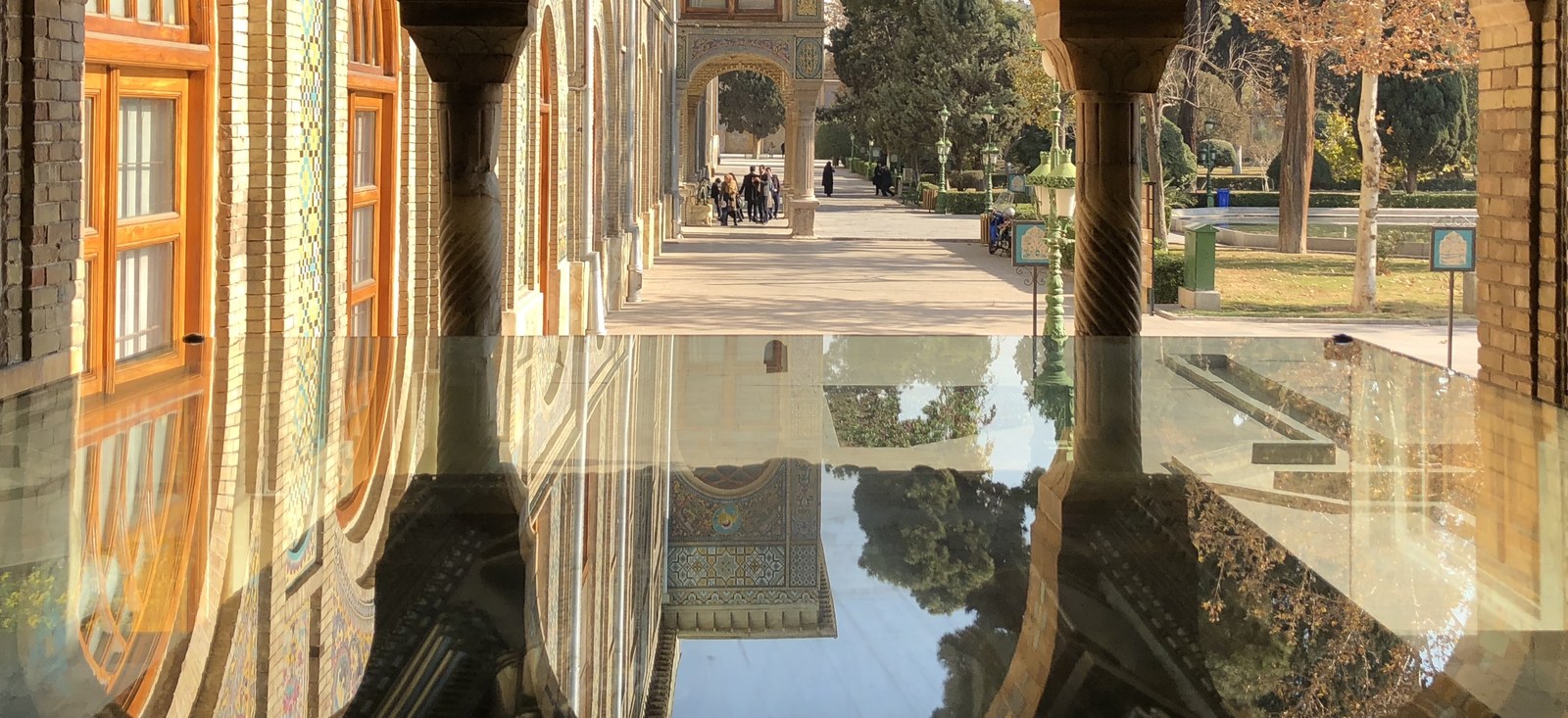
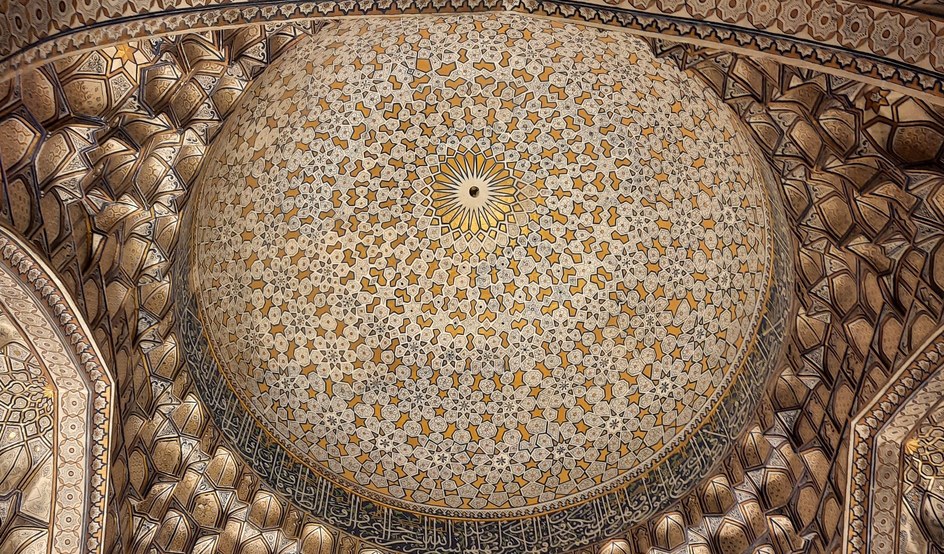
Foto: Mohammad Abdolmohammadzadeh
Willkommen am Fachgebiet Iranistik
Unsere Kurse im SoSe 2026
Themen
Fachgebiet
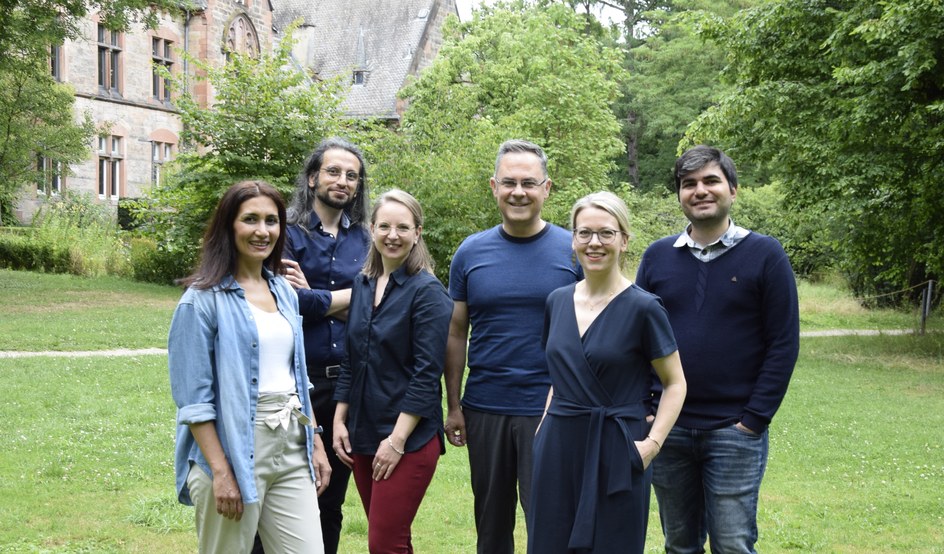
Profil, Personen, Kontakt
Studium
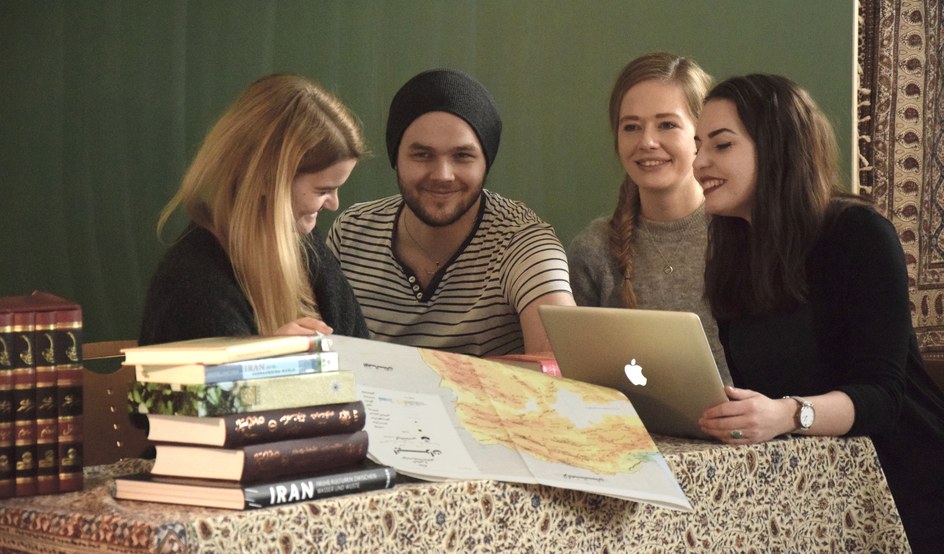
Iranistik in Marburg: Die persischsprachige Welt in ihrer Vielfalt begreifen!
Forschung
Forschungsschwerpunkte und aktuelle Projekte
Zurückblättern
Vorblättern
Fachgebiet
Profil, Personen, Kontakt
Studium
Iranistik in Marburg: Die persischsprachige Welt in ihrer Vielfalt begreifen!
Forschung
Forschungsschwerpunkte und aktuelle Projekte
Aktuelles
Nachrichten
07.04.2026
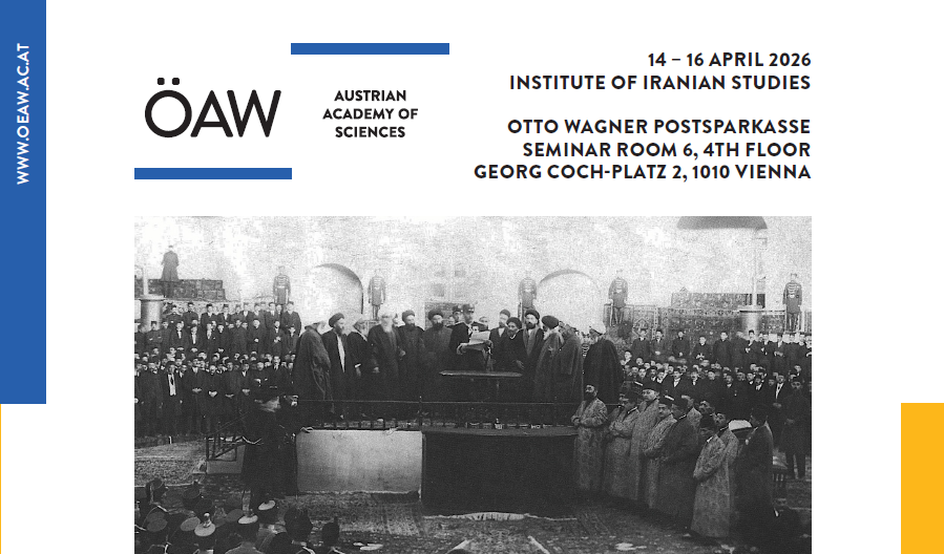
International Workshop „Iran under Reza Shah” in Vienna, 14-16 April 2026
19.03.2026
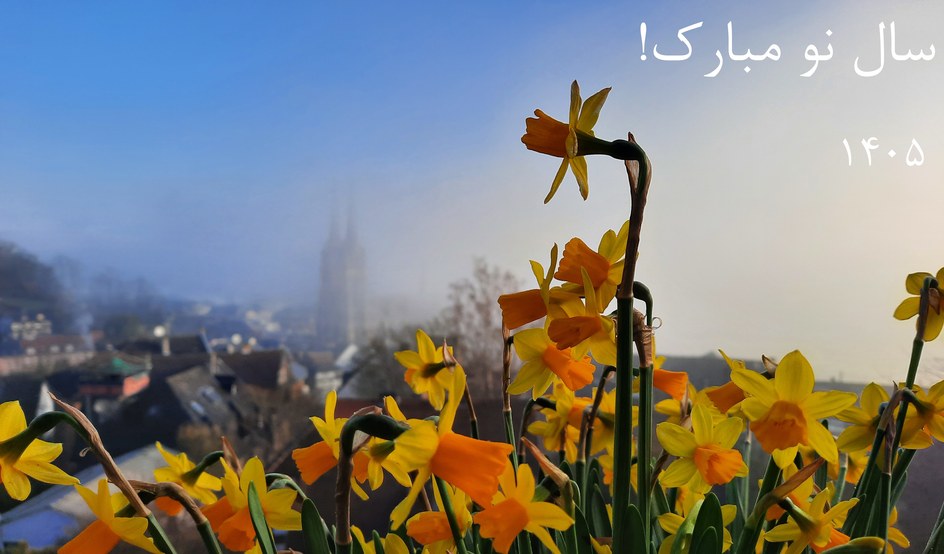
Nouruz 1405
18.12.2025
Vortrag von Dr. Roman Siebertz „Eine Nation wird mobil. Die Verkehrsrevolution in Iran 1920-1940“
02.12.2025
Gap-o Goft am 15.12.2025
24.09.2025
Semestereröffnung der Iranistik
Alle Nachrichten
Zurückblättern
Vorblättern
Termine
21. April
Semester-Eröffnung der Iranistik
21. April 2026 11:00
–
21. April 2026 12:00
Raum 02A05 (CNMS), Deutschhausstraße 12
Alle Termine
Zurückblättern
Vorblättern
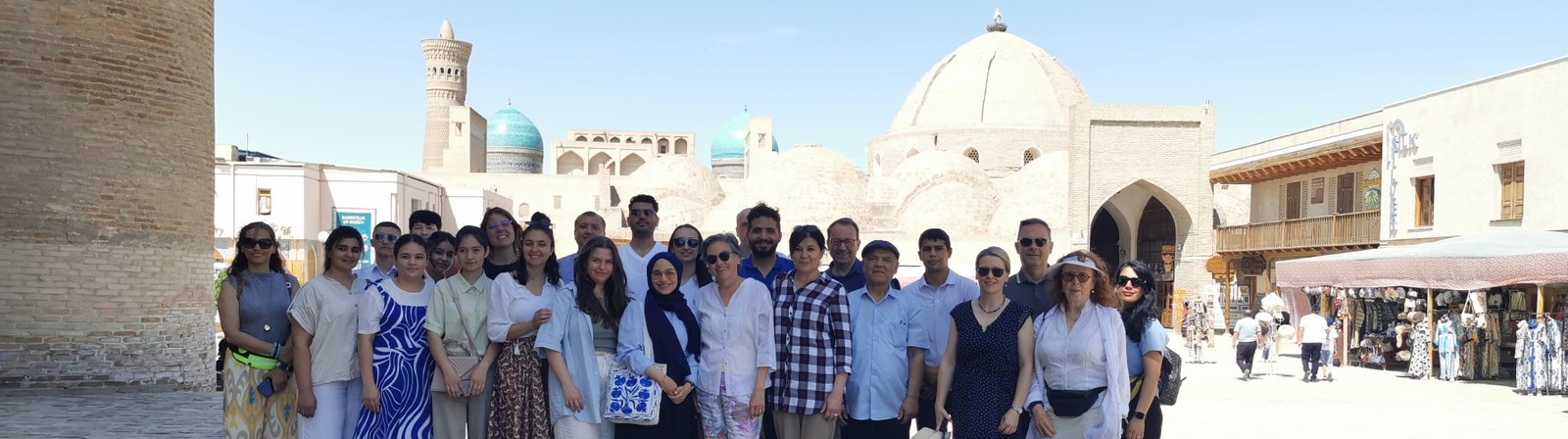
Foto: Leslie Tramontini
Zentralasien-Exkursion im Mai 2024
Zum Reisebericht