10 reasons to choose the international double award MA in Peace and Conflict Studies
1. A stimulating, flexible and multidisciplinary curriculum – our programmes are extremely flexible and offer an exceptionally broad choice of modules, reflecting the research interests of the staff at the University of Kent and the Philipps-Universität Marburg, so you can tailor your degree to suit your interests.
The core modules are taught by political scientists, IR experts, sociologists and social psychologists.
2. A truly integrated international double degree programme – this programme offers the opportunity to study towards two masters degrees. Students who are accepted to the programme will be simultaneously registered at the universities of Kent and Marburg. A very convenient way to gain study-abroad experience. The MA dissertation will be jointly supervised and marked by academic staff at Kent and Marburg.
3. International experience and intercultural skills – you will experience two academic cultures and live and study in two countries.

4. Research strengths and research-led teaching – In the Research Assessment Exercise of 2008 (a periodical evaluation of academic publications), the School of Politics and International Relations at Kent did exceptionally well, with 75% of work judged ‘internationally significant’, placing Kent in the top ranks of research departments in the UK. Kent has a vibrant research culture, comprising of a visiting speaker programme, specialist research seminars and workshops, and hosting international conferences. Both staff and students contribute to the lively discussions.
The research at the Center for Conflict Studies at Marburg University is structured around eight research topics:
- theories and methods of peace and conflict studies
- intergroup conflicts and violence
- migration and conflicts
- prevention and mediation
- peace consolidation and transitional justice
- development and peace
- civil society and conflicts
- international conflicts
Among others, the Centre has been awarded research grants by the German Science Foundation to conduct research projects on transitional justice, international administrations, and group focused enmity.

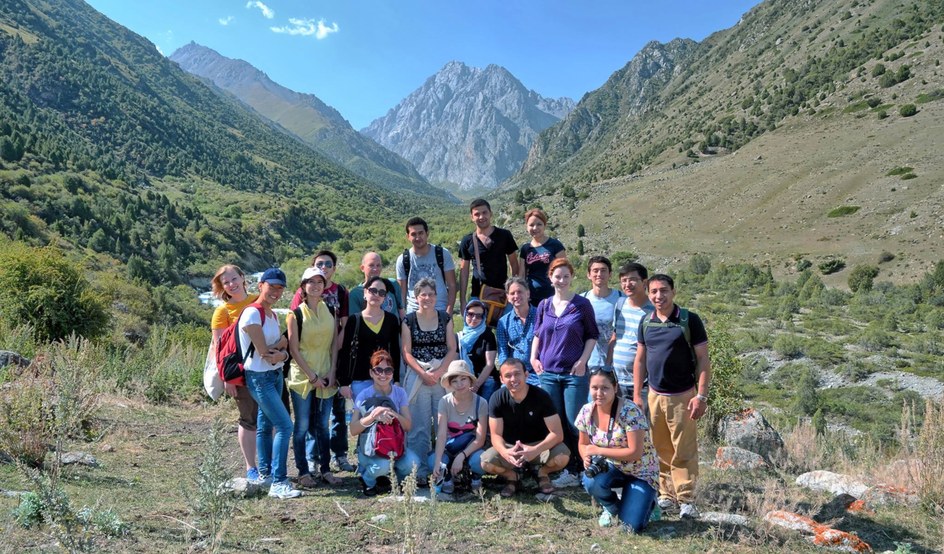
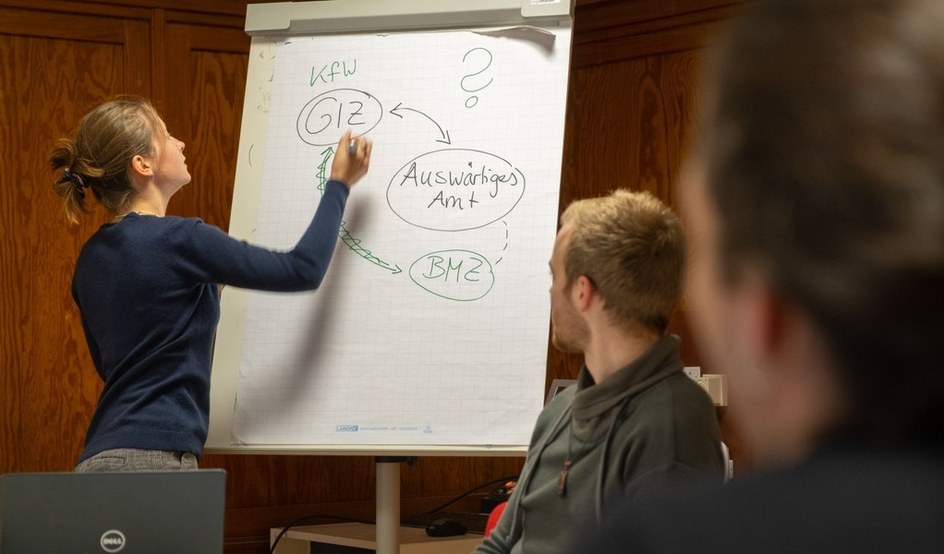
5. Innovative teaching - our innovative teaching practices have received national recognition in Britain and Germany. Teaching prizes and teaching grants include awards by the British International Studies Association (BISA), the Government of Hesse, the German Academic Exchange Service (DAAD), and the German Peace Foundation. We use a diverse range of teaching methods from large lectures to small group discussions, simulation exercises, and class debates, and make use of technology to foster an active learning environment. Study trips have so far included destinations as diverse as Bosnia-Herzegovina, Cambodia, Uganda and the Ukraine.
6. A supportive and quality student experience - the School of Politics and International Relations at Kent was ranked 7th (top quarter) for overall student satisfaction, based on 95% satisfaction in the National Student Survey 2011. This reflects the quality of experience we aim to provide. We particularly pride ourselves on offering excellent pastoral care and listening to our students to ensure that the students are supported throughout their entire student experience. The quality of teaching and supervision at Marburg University is regularly assessed by an external organisation guaranteeing continued high standards.
7. Internship – the MA programme includes a mandatory internship of 10 weeks or more. Our students have interned with international organisations, NGOs, think-tanks, governments, museums and media around the globe.
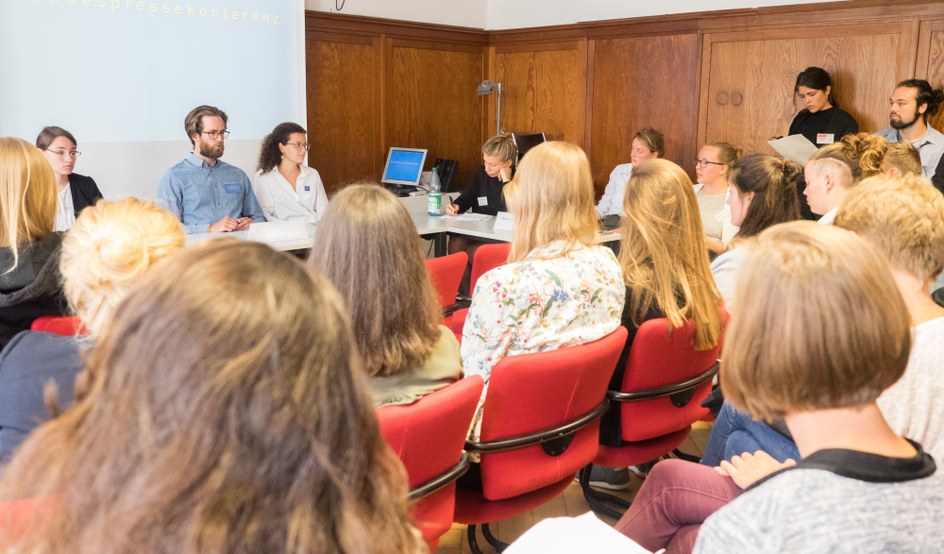
8. Combining theory and practice - both Kent and Marburg regularly invite visiting speakers from the policy world. Adjunct faculty at Marburg includes former diplomats and mediators. The Center for Conflict Studies has established a strategic partnership with the Academy for Conflict Transformation in Bonn, which trains and advises government and NGO staff around the world. Students can also join the editorial team of the Working Paper Series at Marburg’s Center for Conflict Studies.
9. Both universities have a multicultural, cosmopolitan and active student body – offering an exceptionally enriching environment in which to study Peace and Conflict Studies.
10. Location – Canterbury and Marburg are historic cities, both hosting a huge and vibrant student body. Canterbury and Marburg are close to London and Frankfurt respectively, two of Europe’s most exciting metropolitan areas.