Go to main content
Insert search term
Search
Service navigation
Start
Departments
01
Law
02
Business and Economics
03
Social Sciences and Philosophy
04
Psychology
05
Protestant Theology
06
History and Cultural Studies
09
German Studies and Arts
10
Foreign Languages and Cultures
12
Mathematics and Computer Science
13
Physics
15
Chemistry
16
Pharmacy
17
Biology
19
Geography
20
Medicine
21
Education
All institutions
Portals
Alumni Portal
Current Research Information System
University Computer Center
ILIAS
Careers
Katalog Plus
Marvin
open_UMR
People Search
University Library
Course Catalogue
Webmail Staff
Webmail Students
Work Time Recording
Deutsch
high-contrast version
Search
main navigation
Philipps-Universität Marburg - Start
Studying
Area
Studying
Content
Before Studying
During Studying
After Your First Degree
Consultation & Services
Exchange & Study Abroad
Quick Access
Language Requirements
Application Process
Campus Maps
Orientation Program
Support
Research
Area
Research
Content
Research Profile
Top-level Research
Early Stage Researchers
Research Funding
Contact & Service
Quick Access
Excellence Strategy
Collaborative Research Centres
Research Units
EU Research Funding
Research Training Groups
Research Campus of Central Hessen (RCCH)
Interchange
Area
Interchange
Content
The Marburg Interchange
Discover Knowledge
Shaping the Future
Funding for Science & Research
Contact
Quick Access
Cooperations
Events
Guests and seniors
Extracurricular activities
Sponsors and funding
International
Area
International
Content
International Profile
From Abroad
Going Abroad
Location and Address
Quick Access
Studying
EUPeace
Life at MU
Welcome Center for Researchers
Campus Maps
University
Area
University
Content
Profile
Administration
Institutions
Contact & Service
Quick Access
Contact Administration Units
Contact Human Resources Department
Careers
Campus Maps
mobile navigation
Insert search term
Hauptmenü öffnen
Universität Marburg
schließen
Zurück
Home
Departments
Portals
Deutsch
Departments
zurück
01
Law
02
Business and Economics
03
Social Sciences and Philosophy
04
Psychology
05
Protestant Theology
06
History and Cultural Studies
09
German Studies and Arts
10
Foreign Languages and Cultures
12
Mathematics and Computer Science
13
Physics
15
Chemistry
16
Pharmacy
17
Biology
19
Geography
20
Medicine
21
Education
All Institutions
Portals
zurück
Alumni Portal
Current Research Information System
University Computer Center
ILIAS
Careers
Katalog Plus
Marvin
open_UMR
People Search
University Library
Course Catalogue
Webmail Staff
Webmail Students
Work Time Recording
Search
high-contrast version
Philipps-Universität Marburg - Start
Center for Conflict Studies
Fachbereichs-Navigation
Center for Conflict Studies
The Center
Profile
Staff
Directorate
Academic Mid-Level Faculty
Student Council
Membership
Alumni and Alumnae
Events
Study
Degree Programs
Student Advisory Service
Export Modules
Simulating Peace and Conflict
Study Trips
Incoming Students: Studying Peace and Conflict
Research
Research Focus
Externally Funded Projects
Publications
Doctorates
Awards and prices
Internationalisation
Projects
Cooperations
International Summer Schools
Research Groups
nach oben scrollen
Center for Conflict Studies
Center for Conflict Studies
Fachbereichs-Navigation
Center for Conflict Studies
schließen
Zurück
Startseite
Main Content
Philipps-Universität Marburg - Center for Conflict Studies
Photo: Mark Hamilton / Alamy Stock Foto
Welcome to the Center for Conflict Studies
More
Topics
The Center
Study
Research
Internationalisation
Research Groups
Zurückblättern
Vorblättern
The Center
Study
Research
Internationalisation
Research Groups
Current events
News
17.09.2026
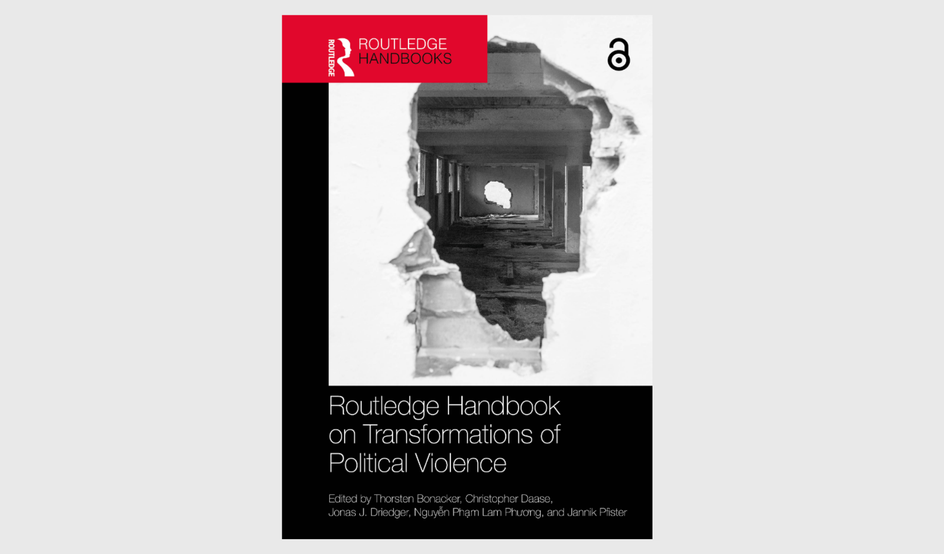
New TraCe “Handbook on Transformations of Political Violence” published by Routledge
16.09.2026
The Future of Building Peace - 25th Anniversary Center for Conflict Studies
22.07.2026
The Role of Human Rights in Conflicts over Migration
22.07.2026
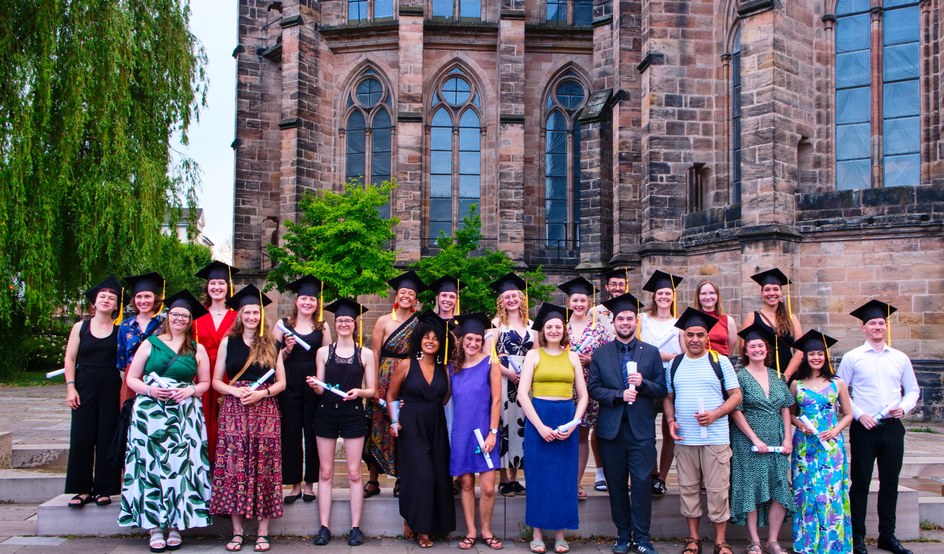
First Master’s Ceremony at the Center for Conflict Studies
03.07.2026
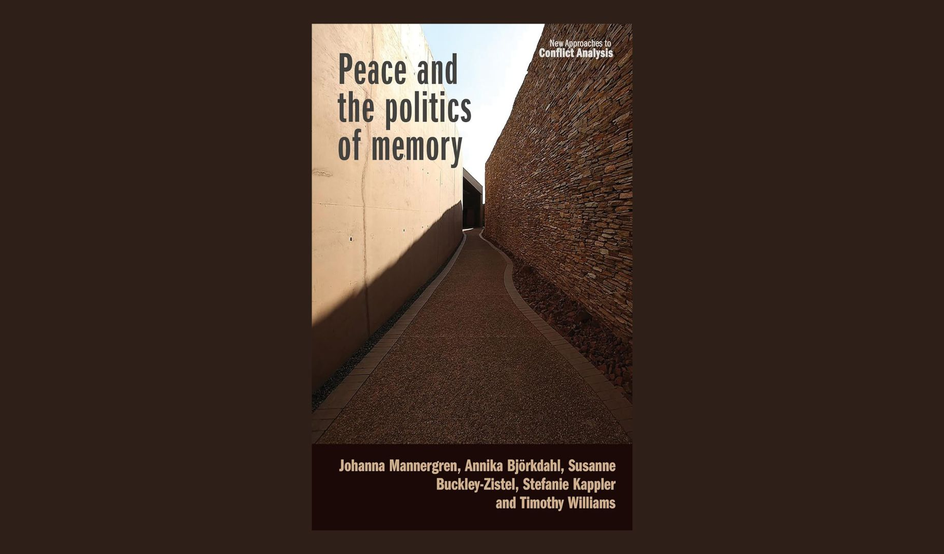
Ernst-Otto Czempiel Award for "Politics of Memory and Peace"
All news
Back
Forward
Discover
Opening Hours & Contact
Current Vacancies
Lecture Series
Center Colloquium
Events
Back
Forward