Main Content
Studying Peace and Conflict at Marburg University
Opportunities for exchange students at the Center for Conflict Studies
Located in the picturesque town of Marburg, the University of Marburg provides students passionate about understanding and addressing local and global conflicts with a unique academic environment. The Center for Conflict Studies (CCS) offers an interdisciplinary, internationally oriented education in Peace and Conflict Studies. Whether you are drawn to Marburg’s charming architecture, its vibrant student life or the CCS’s innovative approach to Peace and Conflict Studies, this destination promises an enriching academic experience for exchange students. Exchange students from both European and non-European partner universities are welcome to join our programme and study with us for at least one semester. You will encounter an international teaching staff and students coming from various regions around the world.
Why Marburg? A City and University of Academic Excellence
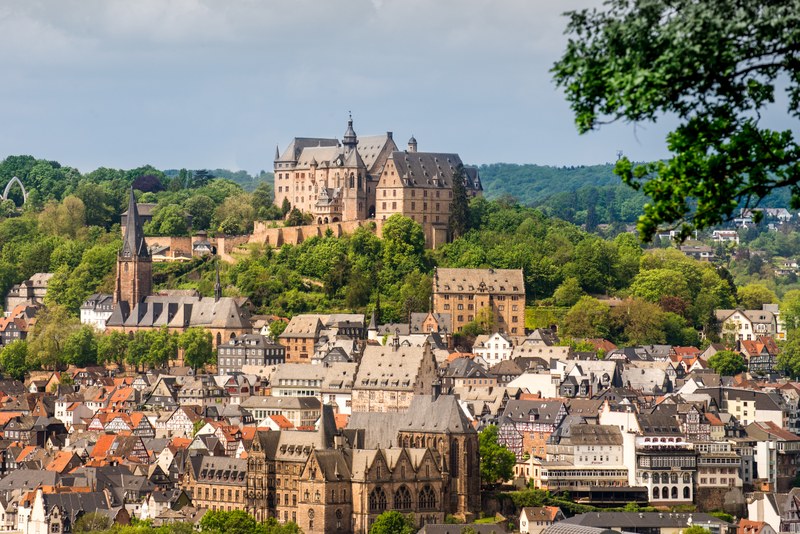
Marburg is a historic university town in central Germany, renowned for its scenic location in the Lahn Valley and vibrant cultural scene. With its compact, walkable layout and easy access to Frankfurt, the town successfully blends medieval charm with modern convenience. Founded in 1527, the University of Marburg is one of Germany’s oldest and most respected institutions, celebrated for its interdisciplinary research and commitment to critical thinking. The CCS embodies this ethos by offering programmes that bridge theory and practice, addressing conflicts across borders, from civil wars to human rights issues and post-war peacebuilding.
The CCS: Interdisciplinary Insights and Global Perspectives
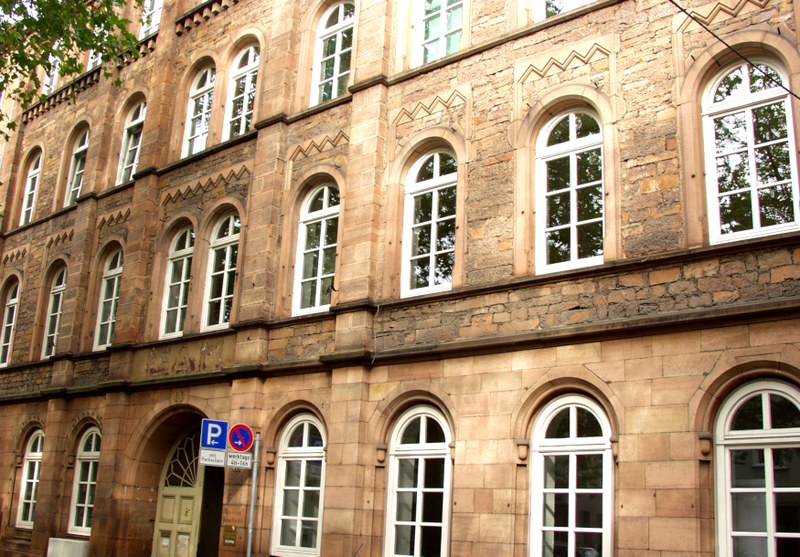
The CCS is a well-established institution for Peace and Conflict Studies. Since its establishment 25 years ago, it has become a hub for scholars and practitioners exploring international and societal conflicts alike. The Center maintains numerous international Erasmus partnerships with both programme and partner countries and also cooperates with other universities through additional exchange programmes. Adopting an interdisciplinary approach, it integrates the fields of sociology, political science, social psychology, law, history and anthropology. Courses emphasise the analysis of the causes, dynamics and resolution strategies of conflict, while practical modules such as simulations, case studies and fieldwork prepare students for real-world challenges.
International Community and Programme Flexibility
International Community and Programme Flexibility
The CCS’s international profile is central to its identity. Its MA Peace and Conflict Studies (MA PACS), a joint degree with the University of Kent (UK), is taught entirely in English and attracts students from around the world. Even German-taught programs like the MA Friedens- und Konfliktforschung (MA FUK) offer English modules for non-German speakers, ensuring accessibility.
The CCS’s international community includes scholars and students from over 30 countries, fostering dialogue and collaboration. This diversity enriches classroom discussions and prepares students to work in multicultural settings.
Bachelor-level offers
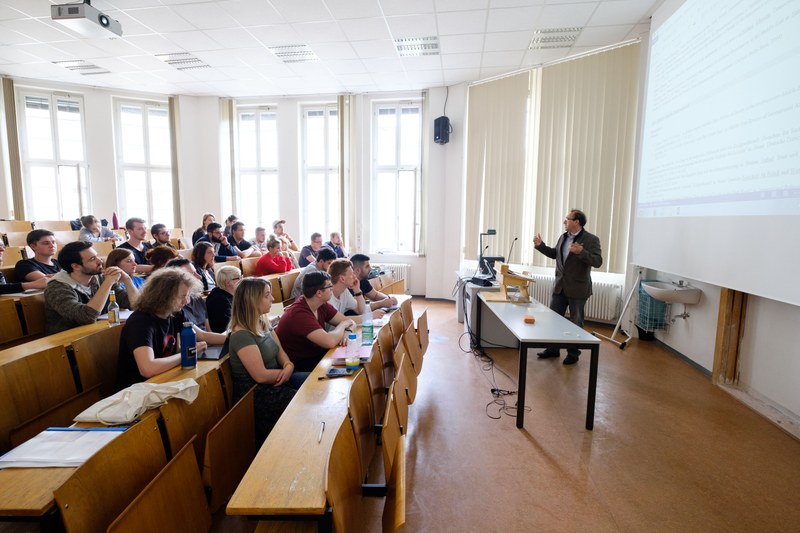
Exchange students at the undergraduate level can enrol in the Peace and Conflict Studies minor, which includes English-taught modules such as Conflict Analysis and Resolution and Human Rights and Global Justice. These courses combine theoretical insights with practical skills like mediation and policy analysis.
Selection of Modules: Bachelor's Level
Transformations of Violence
Perspectives on Conflict Analysis
Master-level offers
At Master's level, exchange students can attend modules from both the CCS Master's programmes. They will study alongside students from Germany and around the world, exploring topics such as peace and conflict from a social psychological perspective; current conflict situations; the causes and dynamics of organised violence; approaches to collective security; and the relationship between peace and sustainable development.
Selection of Modules: Master's Level
Current Debates in Peace and Conflict Studies
Security and Violence
Societal Conflicts and Collective Action
Contact
For questions regarding content, please contact Prof. Dr. Felix Anderl (BA modules) and Prof. Dr. Thorsten Bonacker (MA modules). For organisational questions, Dr. Ulrike Bieker is the right person to contact.