History
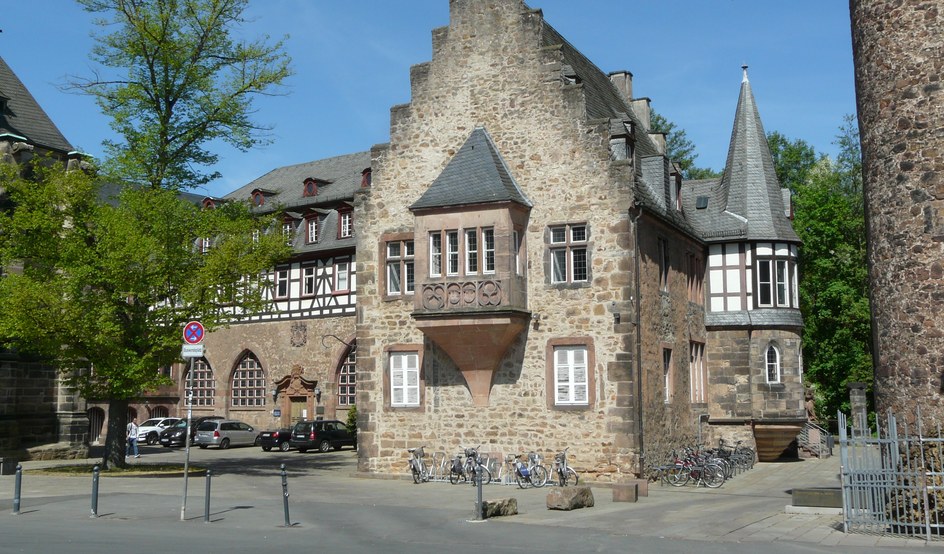
Turning a granary into a museum
The ancient
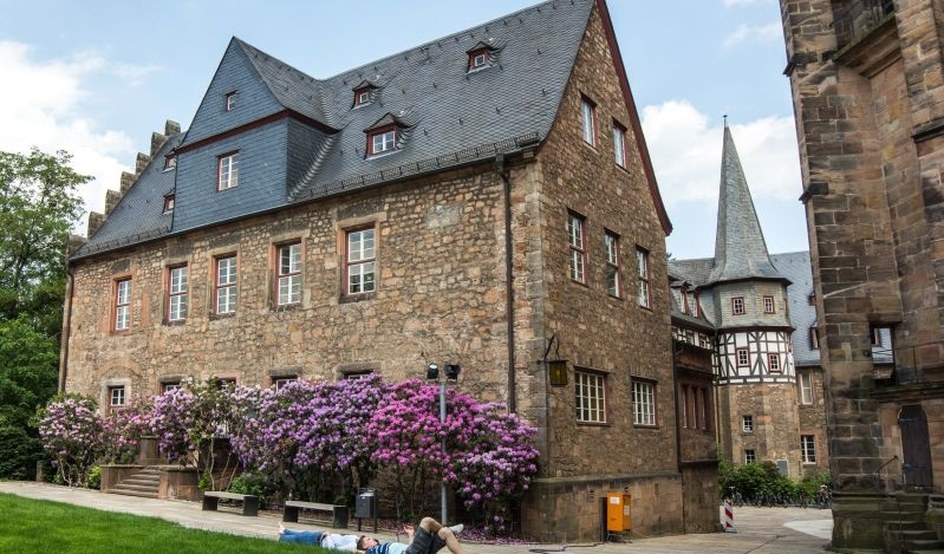
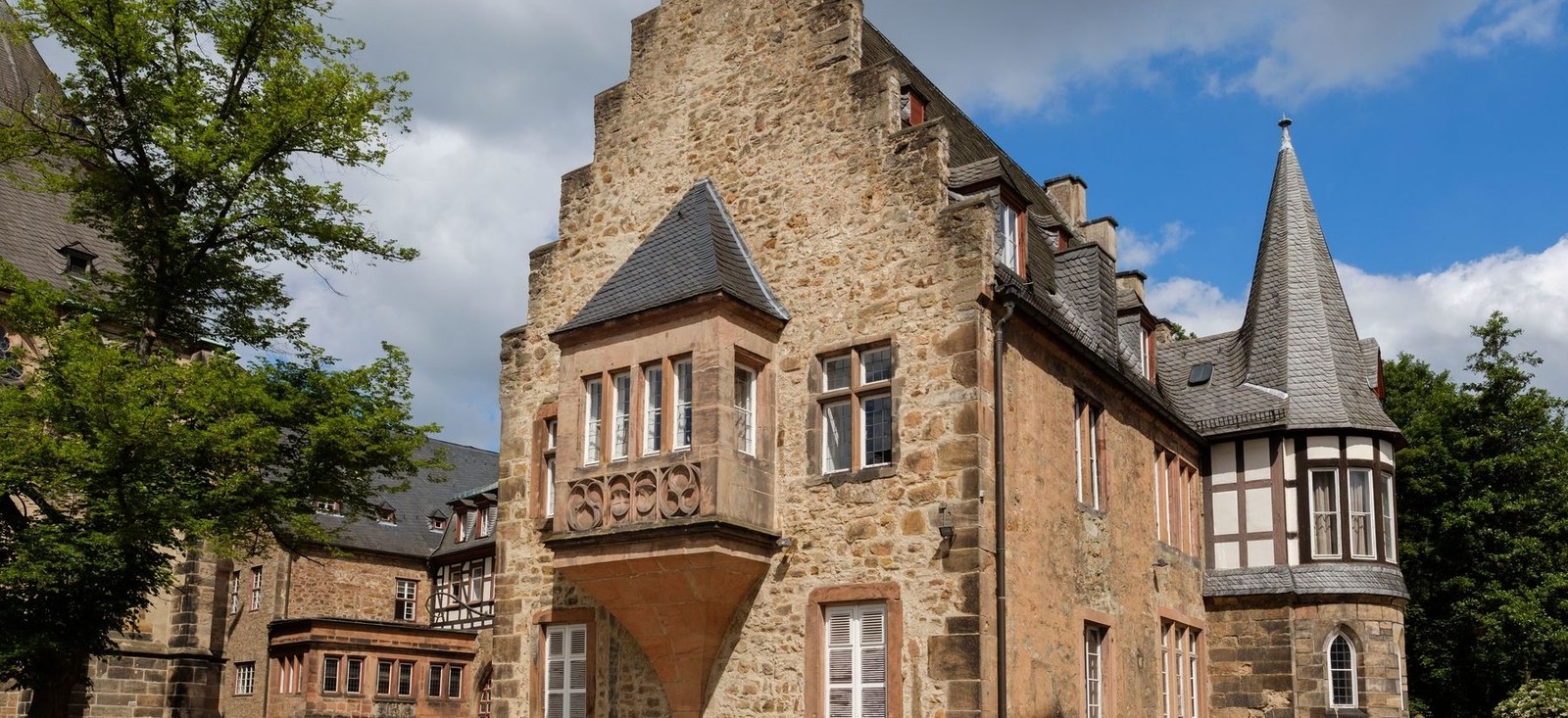
building of the University of Marburg's Mineralogical Museum was
founded in 1515 as a granary and bake house by the Knights of Teutonic
Order (Deutschordensritter). During the period of reformation, starting
just a few years later, the influence of the Knights of Teutonic Order
in the region of Marburg decreased and the building lost its
importance. During the following centuries the house remained more or
less unused and almost deteriorated. It only survived to this day
because the expanding town did not require the site.
In 1917, after some inevitable but incomplete repairs, the building
became a storehouse for the mineralogical collection. Between 1968 and
1974 the building got completely restored; two levels of exhibition
space were opened up on the occasion of the 450th anniversary of the
University of Marburg in 1977. In 1984, a third exhibition floor
followed. The building consists of a total of six floors which are used
today as follows: a magazine in the basement, magazines, administration
and laboratory facilities on the first floor, exhibition rooms on the
second, third and fourth floor, and a storage room in the loft.
The collection
The collection was founded in 1790 by Johann Gottlieb Waldin,
professor of mathematics at the University of Marburg. Following the
professor's suggestion, the Hessian landgrave William IX gave order to
all mines, smelteries and forges all over his country to deliver ore
and mineral samples in order to complete the collection named "Hessian
Cabinet of Minerals".
Expeditions to Northern Scandinavia and Greenland by Arthur Schwantke in 1900 and especially the expeditions to Eastern Siberia, Indonesia, Thailand, Ceylon, Burma and India by Professor Weigel between 1922 and 1935 yielded more than 10.000 samples.
Today, the collection consists of 2.300 exhibits on display, 55.000 registered and about 50.000 still unregistered stored samples. Initially, the collection had been considered as sampled material for scientific instruction and research. Respecting the building's configuration, its surrounding area and the attractiveness of plenty of the samples, it had been decided to arrange an exhibition of selected minerals and rocks accessible to everybody. The intention of the arrangement is to show the system, the diversity, and last, not least, the beauty and aesthetics of minerals and rocks.